
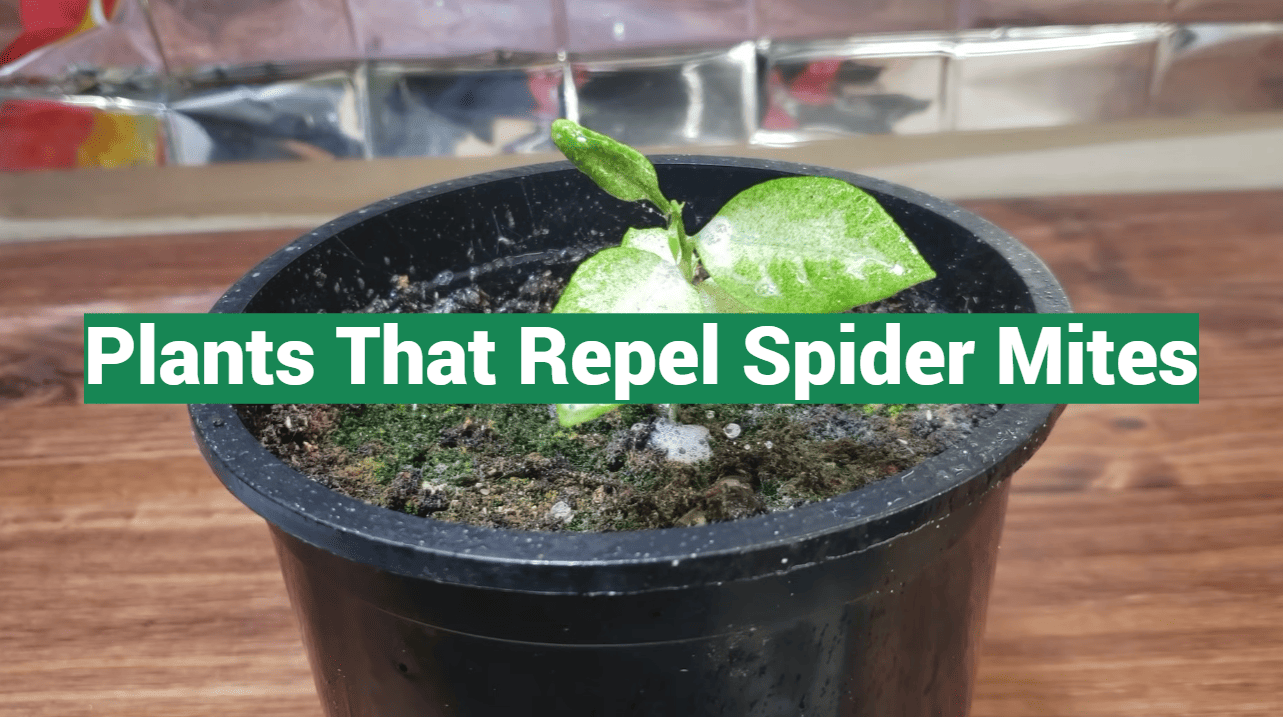
Spider mites can prove to be a real menace for gardeners and plant lovers, causing damage that often leads to plant death. Fortunately, nature offers a brilliant solution to this problem in the form of certain plants that naturally repel these pests. These plants, when incorporated into your garden or indoor setup, can help protect your plants from the wear and tear caused by spider mites. In this guide, we will explore these plants and provide insights on how best to use them for spider mite control.
Expand Your Knowledge of Plants That Repel Spider Mites
European Dill
European dill, or Anethum graveolens, is an aromatic herb native to the Mediterranean and the Black Sea regions. Its feathery fronds and distinctive tangy fragrance make it a welcome addition to any garden. Dill’s strong scent is an effective deterrent for spider mites, and its delicate blossoms attract useful bugs that prey upon these pests. Planting European dill around your garden not only adds a splash of color and flavor to your culinary endeavors, but also serves as a robust barrier against the invasion of spider mites. The herb is also easy to grow and maintain, making it a perfect choice for both amateur and professional gardeners.
Chinese Parsley
Chinese Parsley, also known as coriander or Coriandrum sativum, is a popular herb used worldwide in various cuisines. Originating from regions spanning from Southern Europe to Southwestern Asia, this herb is treasured for its flavorful seeds and aromatic leaves. Chinese parsley has a wonderful dual role in the garden: it’s not only a delectable herb but also a formidable warrior against cobweb spiders. The highly aromatic nature of this plant is unappealing to these pests, making it a natural deterrent. Furthermore, Chinese Parsley is a prolific grower, which makes it a sustainable and reliable choice for those looking to naturally mitigate spider mite infestations. Its ease of cultivation and numerous culinary uses, combined with its pest-repelling qualities, make Chinese parsley an indispensable complement to any plant growing in the landscape or home.
Onion
Onion, scientifically known as Allium cepa, is a versatile crop grown and used extensively around the globe. With its origins in Asia, this hardy plant thrives in a wide variety of soils and climates, making it a staple in gardens worldwide. Besides its culinary value, the onion presents another significant advantage – it’s a formidable deterrent anti-spider web mites. The strong, pungent smell emitted by the onion plant is highly disagreeable to the olfactory senses of these pests, making it an effective natural repellent. Moreover, onions are known to enrich the soil with vital nutrients and enhance the overall health of your garden ecosystem. Their ease of cultivation and low maintenance requirements further add to their appeal. Thus, by including onions in your garden or indoor plant collection, you get a multi-faceted plant that serves both as a culinary ingredient and a natural defense against spider mite infestation.
Chives
Chives, also popularly known by its technical title Allium schoenoprasum, are a widely cultivated herb cherished for their culinary value and aesthetic appeal. From Europe, Asia and North America, chives are well-known for their mild onion-like flavor and their quaint, purple flowers. But aside from their taste and visual charm, they also possess another hidden talent – the ability to repel spider mites. Much like their relative, the onion, chives emit a pungent scent that is highly unattractive to these pests, serving as an effective natural repellent. Moreover, chives are easy to grow and require minimal maintenance, making them a practical complement to any outdoor or houseplant collection. Consequently, chives not only offer a delightful culinary experience but also provide a potent defense against the detrimental spider mite infestation.
Rosemary
Royal rosemary, or Rosmarinus officinalis, is a scented herb originally from the Middle East. It is renowned for its acicular foliage that looks like needles and distinctive, heady aroma, which is often associated with culinary delicacies. However, beyond its culinary contributions, rosemary is also highly valued as a natural deterrent against spider mites. The plant’s strong fragrant oils are abhorrent to these pests, making it an excellent addition to any garden or indoor plant setup for its protective qualities. Moreover, rosemary is a hardy plant that thrives in a variety of conditions, which along with its low-maintenance nature, makes it a practical choice for both novice and experienced gardeners. Therefore, by incorporating rosemary in your garden or indoor plant collection, you not only enhance the aromatic appeal of your space but also safeguard it against potential spider mite infestations.
Bok Choy
Bok Choy, scientifically known as Brassica rapa subsp. chinensis, is a type of Chinese cabbage that’s a staple in Asian cuisine. This leafy vegetable is not only packed with nutrients but also carries a unique ability to repel spider mites. The plant’s natural compounds provide an unsavory taste for these pests, creating an effective natural barrier. Additionally, Bok Choy is a fast-growing vegetable that requires minimal care, making it an excellent choice for beginner gardeners. Its vibrant green leaves and crisp texture also add a visually appealing dimension to any garden or indoor plant setup. Thus, planting Bok Choy in your garden or indoor plant collection brings the dual benefit of an enriched diet and a natural, reliable defense against spider mite invasion.
Garlic
Garlic, or Allium sativum, is a well-known culinary ingredient, native to Central Asia and Northeastern Iran. With its robust flavor and aroma, garlic is an essential part of cuisines worldwide. However, beyond the kitchen, garlic earns its place in the garden as a natural spider mite deterrent. The strong odor that garlic emits is unpalatable to spider mites, making it an effective organic pest control method. Additionally, garlic plants are known to improve the health of surrounding plants by enhancing soil nutrients, making it a highly beneficial companion plant. With its hardy nature and low maintenance requirements, garlic is an easy addition to any garden or indoor plant setup. Therefore, growing garlic not only enriches your meals with its distinct flavor, but also provides a potent, natural defense against potential spider mite infestations.
Peppermint
Peppermint, scientifically known as Mentha piperita, is a hybrid mint, a cross between watermint and spearmint, native to Europe and the Middle East. This herb is widely recognized for its refreshing aroma and myriad of uses in food, beverages, and healthcare products. In addition to its wide usage, peppermint serves as an exceptional deterrent against spider mites. The intense aroma of its essential oils is an effective repellent, proving highly unattractive to these tiny pests. Peppermint plants also have the added advantage of being robust growers, capable of thriving in a variety of conditions with minimal care. This makes them a practical and sustainable choice for those keen on natural pest control methods. By including peppermint in your garden or indoor plant setup, not only do you add a sensory delight to your environment, but you also protect your other plants from the threat of spider mite infestations.

Okra
Okra, scientifically named Abelmoschus esculentus, is a warm-weather plant, native to Africa. It’s a versatile vegetable, renowned for its nutrient-rich pods that are utilized in numerous culinary applications. However, its utility extends beyond the kitchen, as it is also an efficient deterrent against spider mites. The plant’s naturally sticky leaves and stem make it unattractive to these pests, providing an effective natural defense. Moreover, okra is a robust plant that can withstand a variety of environmental conditions, making it a suitable choice for different climates. Notwithstanding its somewhat prickly texture, okra adds a unique aesthetic appeal to any garden or indoor plant arrangement. Therefore, the incorporation of okra in your garden or indoor plant collection not only lends an exciting dimension to your culinary endeavors, but also offers a formidable defense mechanism against spider mite invasions.
How to Get Rid of Spider Mites On Indoor Plants
Controlling spider mite infestations on indoor plants involves a systematic approach that combines preventive measures and treatment processes.
- Regular Inspection: Regularly check your plants, especially the undersides of leaves, for any signs of spider mites. These pests are tiny and often go unnoticed until significant damage has been done.
- Isolation: If you notice an infestation, isolate the affected plants immediately to prevent the spread of mites to other plants.
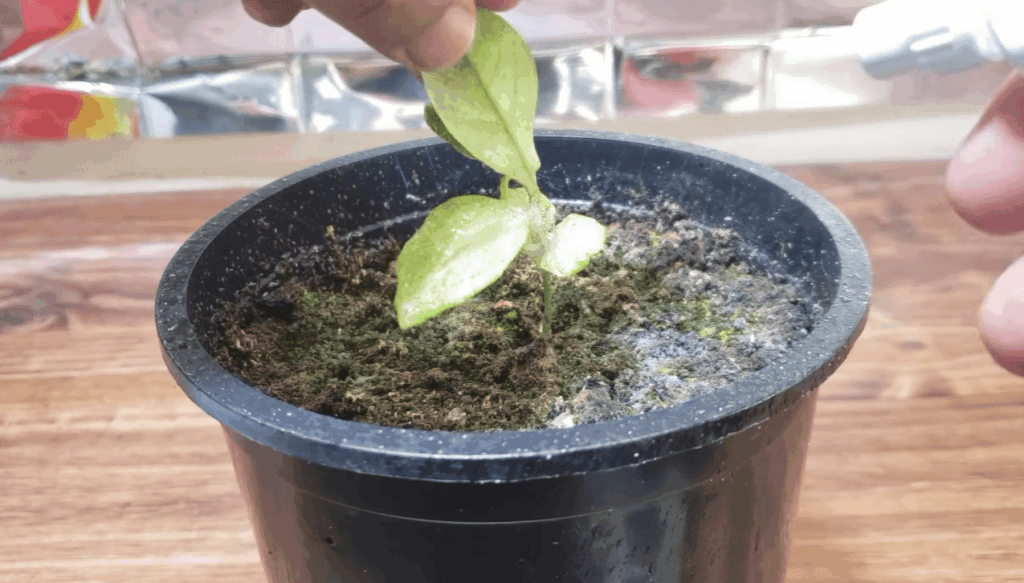
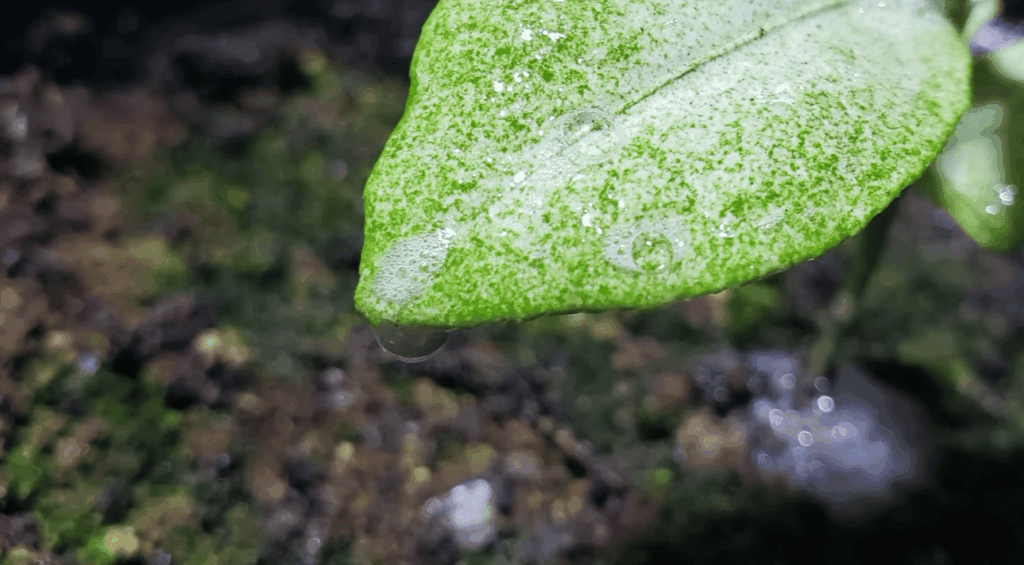
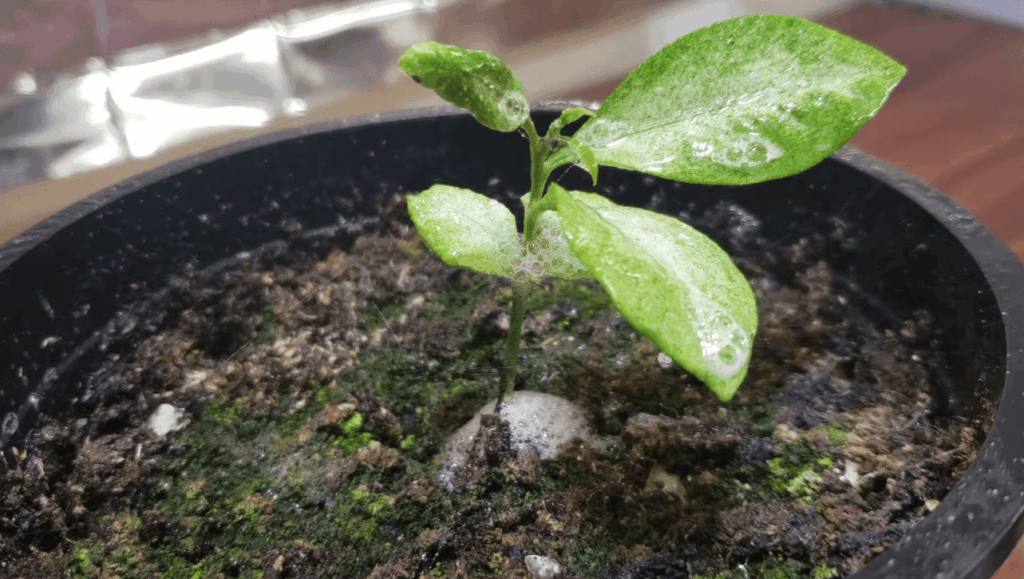
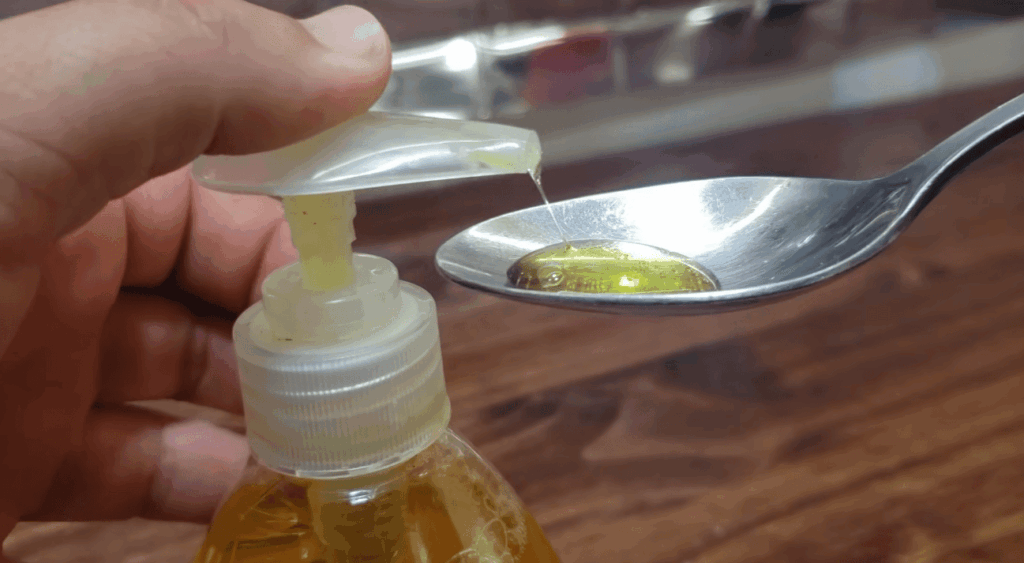
- Use of Soap and Water: A mixture of mild liquid soap and water can be an effective treatment. Gently spray the mixture on the plant, ensuring the undersides of leaves are well covered. The soap solution suffocates the spider mites.
- Use of Neem Oil or Insecticidal Soap: For severe infestations, you may need to resort to using neem oil or insecticidal soap. These products are specifically designed to tackle pests while being safe for most indoor plants.
- Utilization of Natural Predators: Introducing natural predators, such as ladybugs or predatory mites, can also help control spider mite populations.
- Plant Spider Mite Repellent Plants: As a preventive measure, consider growing spider mite repellent plants among your indoor collections, as discussed in the previous sections.
Remember, the key to managing spider mites lies in early detection and consistent care. Therefore, regular inspection and the necessary care of your indoor plants are essential in preventing these pests from causing damage.
Tips On How to Get Rid of Spider Mites During Flowering
Dealing with spider mites during the flowering phase of your plants can be a delicate task, as the wrong method could disrupt the flowering process. Use the following strategies to manage a spider mite infestation during this critical phase.
- Use of Soft Insecticides: Soft insecticides, such as neem oil or insecticidal soap, are particularly useful during the flowering phase because they are less likely to damage the delicate flowers. Apply with care, taking care not to directly spray the blooms.
- Gentle Washing: A gentle washing or wipe-down of leaves with a soft, damp cloth can help remove spider mites. Be careful not to damage the flowers while doing this.
- Strategic Pruning: If the infestation is localized to certain leaves or branches, consider gentle pruning. Remove only the infested areas to maintain the overall health of the plant while it continues to flower.
- Increase Humidity: Spider mites thrive in dry conditions. Adding a humidifier or frequently misting the plants with water can create an environment less suitable for the mites, helping to deter them.
- Introduction of Beneficial Insects: Predatory insects, such as ladybugs or lacewings, can be helpful in controlling spider mite populations during the flowering phase. They are natural enemies of spider mites, and they will not harm your plants.
Remember, the flowering stage is a sensitive time for plants. Always use mindful, gentle tactics to combat spider mites during this phase. Regularly monitor your plants to catch infestations early and take action as soon as possible to prevent widespread damage.

How to Prevent Spider Mites Infestation
Preventing spider mite infestations is the most effective way to maintain the health and vitality of your plants. To ensure that your plants remain free from these tiny pests, follow these preventive measures:
- Maintain Humidity: Spider mites thrive in dry conditions. Increase the humidity around your plants by misting them regularly or by using a humidifier in your indoor garden area.
- Regular Cleaning: Keep your plants and their surroundings clean. Dust on the leaves can attract spider mites. Regularly wiping the leaves with a damp cloth can help keep these pests at bay.
- Proper Watering: Under or over-watering can stress plants and make them more susceptible to spider mites. Always follow the watering recommendations for each specific plant species.
- Use of Mite-Repellent Plants: As mentioned before, certain plants naturally repel spider mites. Incorporating these plants into your garden or indoor plant collection can help keep spider mites away.
- Isolate New Plants: When introducing a new plant to your collection, keep it isolated for a week or two to ensure it doesn’t carry spider mites or other pests that could spread to your other plants.
- Regular Inspection: Regularly examine your plants for signs of infestation. Early detection is vital to prevent the spread of these pesky mites.
Remember, prevention is better than cure. By implementing these preventive measures, you can protect your plants from spider mites and promote their healthy growth.
Common Types of Spider Mites
There are several types of spider mites that can pose a threat to your plants. Understanding the different types can help you identify the specific pest you’re dealing with and treat it effectively.
- Two-Spotted Spider Mite (Tetranychus urticae): Perhaps the most common, the two-spotted spider mite is notorious for its destructive tendencies. They are incredibly small, only about 1mm in size, and have two dark spots on their body. These mites are known to attack a wide variety of plants, including tomatoes, cucumbers, and roses. They thrive in hot and dry conditions, making them a common problem in greenhouses and indoor gardens.
- Southern Red Mite (Oligonychus ilicis): Southern red mites prefer to attack evergreen plants such as hollies and magnolias. They are smaller than the two-spotted spider mite and have reddish-brown bodies. These mites are most active during the warmer months and can cause significant damage if left untreated.
- European Red Mite (Panonychus ulmi): These mites primarily feed on apple trees but have been known to infest other fruit trees as well, such as pear and plum trees. They are red in color and slightly larger than some other species. European red mites are most active in spring and fall, and their feeding can cause leaf discoloration and premature fruit drop.
- Spruce Spider Mite (Oligonychus ununguis): Spruce spider mites are a common pest of coniferous trees, including spruce, fir, and pine trees. They are dark green to dark red in color. These mites can cause needle discoloration and defoliation, leading to the decline of the affected trees.
Each species of spider mite has distinct characteristics and preferred host plants. Identifying the specific type infesting your plants can inform your treatment approach and increase your chances of successfully managing the infestation. It is important to regularly inspect your plants for any signs of spider mite activity and take appropriate measures to control their population.
FAQ
What plant gets rid of spider mites?
There are several plants known to naturally repel spider mites, helping to keep your garden or indoor plant collection free from these pests. By incorporating these plants into your gardening strategy, you can create a more effective defense against spider mite infestations. Here are a few examples:
- Chrysanthemums: These beautiful flowering plants contain pyrethrins, which are natural insecticides. Spider mites tend to avoid chrysanthemums due to the presence of pyrethrins, making them an excellent addition to your garden.
- Garlic: Not only is garlic a versatile ingredient in your kitchen, but it can also act as a natural deterrent for spider mites. The strong smell of garlic plants can help keep these pests away from your other susceptible plants. Consider planting garlic near your vulnerable plants to provide them with added protection.
- Coriander: Coriander, also known as cilantro, is not just a flavorful herb but also a spider mite repellent. The fragrant leaves of coriander discourage spider mites from settling and reproducing, making it a valuable addition to your garden or indoor plant collection.
- Marigolds: Marigolds not only add vibrant colors to your garden but also emit a strong scent that spider mites dislike. Planting marigolds around your garden or placing pots near your indoor plants can act as a natural mite deterrent.
- Onion: Similar to garlic, onion plants emit a strong smell that is unappealing to spider mites. By incorporating onions into your garden, you can create an environment that is less favorable for these pests to thrive.
- Dill: Dill is not only a flavorful herb but can also help deter spider mites due to its strong aroma. Adding dill to your garden can provide an extra layer of defense against these pests.
Incorporating these plants into your garden or indoor plant collection can help keep spider mites at bay. However, it is important to remember that these plants should be used as part of a broader integrated pest management strategy, which includes regular monitoring and appropriate control methods.
What repels spider mites?
Numerous natural deterrents can help to repel spider mites, apart from the plants mentioned above. These deterrents mainly consist of solutions or sprays that can be easily applied to the affected plants:
- Neem Oil: A potent, natural pesticide and insecticide, neem oil can be effective in repelling spider mites when regularly sprayed on plants. It works by disrupting the mites’ feeding and reproductive cycles, ultimately leading to their decline. Neem oil also has fungicidal properties, which can help combat fungal diseases that may accompany spider mite infestations.
- Essential Oils: Certain essential oils, such as peppermint, rosemary, and thyme, are known to repel spider mites. These oils contain compounds that have insecticidal and repellent properties. When diluted and sprayed on plants, they create an unfavorable environment for spider mites, discouraging their presence. Additionally, the aromatic scent of these oils can provide a pleasant fragrance in your garden.
- Diatomaceous Earth: This natural, non-toxic powder made up of tiny fossilized aquatic organisms can cause spider mites to dehydrate and die, thereby acting as a deterrent. When applied to plants, the diatomaceous earth particles penetrate the mites’ exoskeleton, absorbing their protective waxy layer and leading to their demise. It is important to use food-grade diatomaceous earth to ensure the safety of beneficial insects and pets.
- Predatory Insects: Introducing natural predators, such as ladybugs, lacewings, and predatory mites, can help control spider mite populations. These beneficial insects feed on spider mites and their eggs, reducing their numbers and preventing further damage to plants. By establishing a diverse and balanced ecosystem in your garden, you can encourage the presence of these helpful allies.
- Homemade Sprays: A home remedy of water mixed with mild soap or baking soda can help repel spider mites. Soap and baking soda solutions work by suffocating the mites and disrupting their cell membranes. When sprayed on plants, these solutions create a barrier that deters spider mites from infesting and damaging your foliage.
Remember, while these deterrents can be effective, they should be used as part of a comprehensive spider mite management strategy. Regular monitoring and early intervention are crucial in maintaining the health and vitality of your plants. By implementing these natural solutions and practicing good gardening practices, you can keep spider mites at bay and ensure the well-being of your green companions.
Does lavender repel spider mites?
Lavender, renowned for its robust aroma and numerous medicinal properties, has long been celebrated for its potential as a natural pest deterrent. While it possesses the ability to repel a wide range of insects and pests due to its strong scent, it’s important to note that spider mites, despite their misleading name, are not easily deterred by lavender. These tiny arachnids, closely related to spiders, may not be specifically affected by the scent of lavender. Therefore, it’s crucial to acknowledge that there is a lack of substantial scientific evidence supporting the effectiveness of lavender in repelling spider mites. To effectively manage and prevent spider mite infestations, it is advisable to engage in experimental approaches that encompass a diverse range of deterrents, including alternative plant species and methods mentioned earlier. By exploring various strategies, a more comprehensive approach can be adopted to combat spider mite infestations successfully.
Do spider mites hate peppermint?
Yes, spider mites are known to strongly dislike the potent scent of peppermint. The essential oil extracted from peppermint has been proven to be an effective and natural deterrent against these tiny pests. By creating a diluted mixture of peppermint oil and water, which can be easily prepared at home, you can lightly spray it onto the leaves of your beloved plants to effectively ward off spider mites.
The beauty of using peppermint oil as a natural repellent is that it not only keeps your plants safe but is also safe for use around pets and humans. You can have peace of mind knowing that you are protecting your plants while keeping your loved ones and furry friends out of harm’s way.
However, it’s important to remember that using peppermint oil is just one aspect of effectively managing and preventing spider mite infestations. Regular inspections of your plants, coupled with a combination of other preventative measures like maintaining proper plant hygiene, removing infested leaves, and ensuring adequate air circulation, are essential in keeping these persistent pests at bay.
By incorporating these strategies into your plant care routine, you can create a healthy and thriving environment for your plants, free from the nuisances of spider mites.
What are the natural enemies of spider mites?
Spider mites, though small, have a number of natural enemies that play a crucial role in keeping their population under control. One such predator is the predatory mite, specifically Phytoseiulus persimilis and Neoseiulus californicus, known for their exceptional ability to control spider mites. These predatory mites possess a voracious appetite and can devour up to 20 spider mites per day.
Another natural enemy of spider mites is the lady beetle, commonly known as the ladybug. Both the adult beetles and their larvae feed on spider mites, making them highly effective in reducing their numbers. The stethorus lady beetle, in particular, is a specialized predator of spider mites, targeting and eliminating them with precision.
Lacewings also contribute to the suppression of spider mite populations. The larvae of these insects are active predators, capable of consuming a significant number of mites. Their presence in the garden or greenhouse can greatly assist in controlling spider mite outbreaks.
Additionally, minute pirate bugs, referred to as Orius spp., are tiny insects that actively prey on spider mites. These beneficial insects play a vital role in keeping spider mite populations in check, both in their nymph and adult stages.
By introducing these beneficial predators into your garden or greenhouse, you can effectively manage and control spider mite infestations. However, it is crucial to understand the conditions required for the survival and prosperity of these predators. It is also important to consider the potential unintended consequences, such as beneficial predators becoming pests themselves if their prey becomes scarce.