
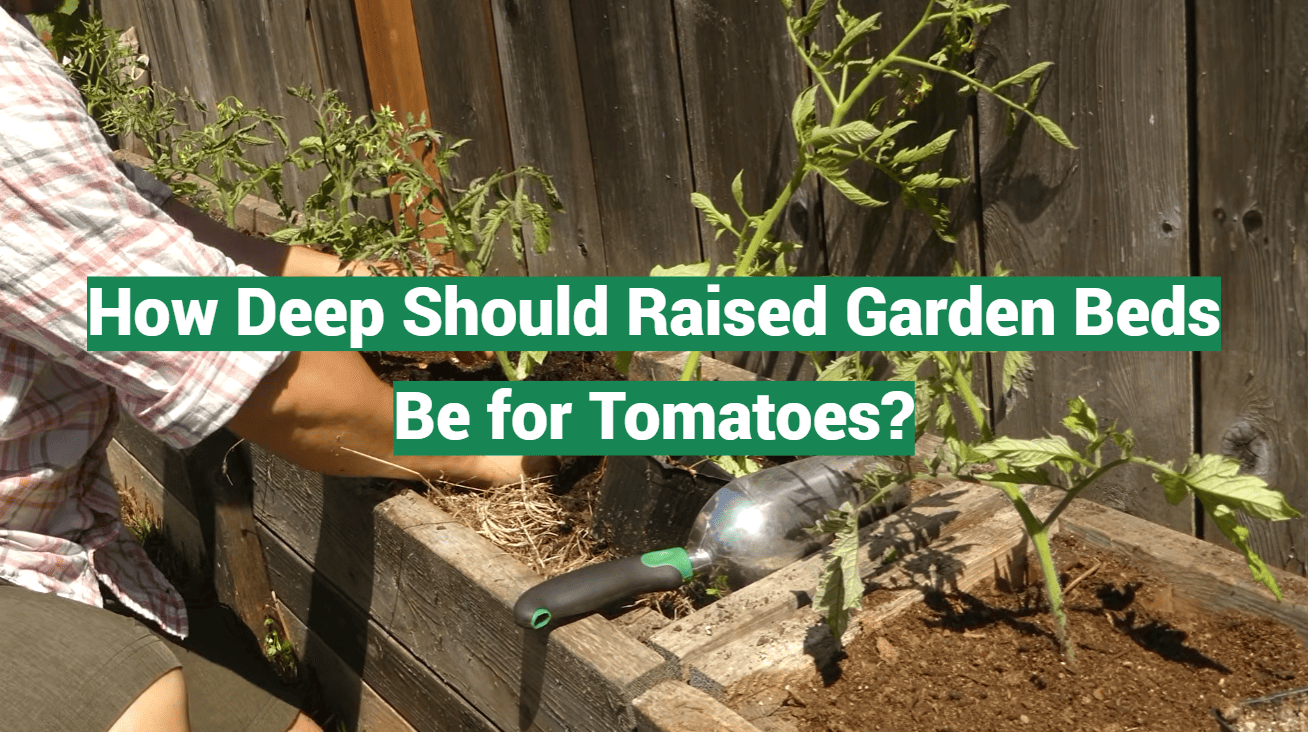
Tomatoes, beloved for their versatility and delightful flavor, are a staple in most home gardens. However, to grow them successfully, it is crucial to carefully consider multiple factors, including the depth of the bed. The seedbed depth plays a significant role in the overall health and yield of your tomato plants, influencing root development, nutrient absorption, and water drainage.
When determining ideal working distance for elevated planting beds specifically for growing tomatoes, there are a few additional details to consider. The depth should allow ample space for the roots to spread and establish a strong foundation, ensuring optimal nutrient uptake and sturdy plant growth. Additionally, a shallower bed can ensure you get a higher water retention and drainage, preventing issues like waterlogging or drying out.
By following this guide and understanding the importance of bed depth, you will be equipped to create the perfect environment for your tomato plants. With the right depth, you can ensure healthy and robust growth, leading to a bountiful harvest of delicious and nutritious tomatoes for your culinary delights.
How Far Down Should the Bed Be Raised?
So when it gets down to raised garden beds for tomatoes, it’s important to find the ideal depth for optimal growth. Generally, a depth of 12 to 18 inches is recommended. This range allows the plant’s roots to have ample space to spread out and absorb essential nutrients efficiently. However, it’s worth noting that the optimal depth can change according to factors such as the tomato variety and soil quality.
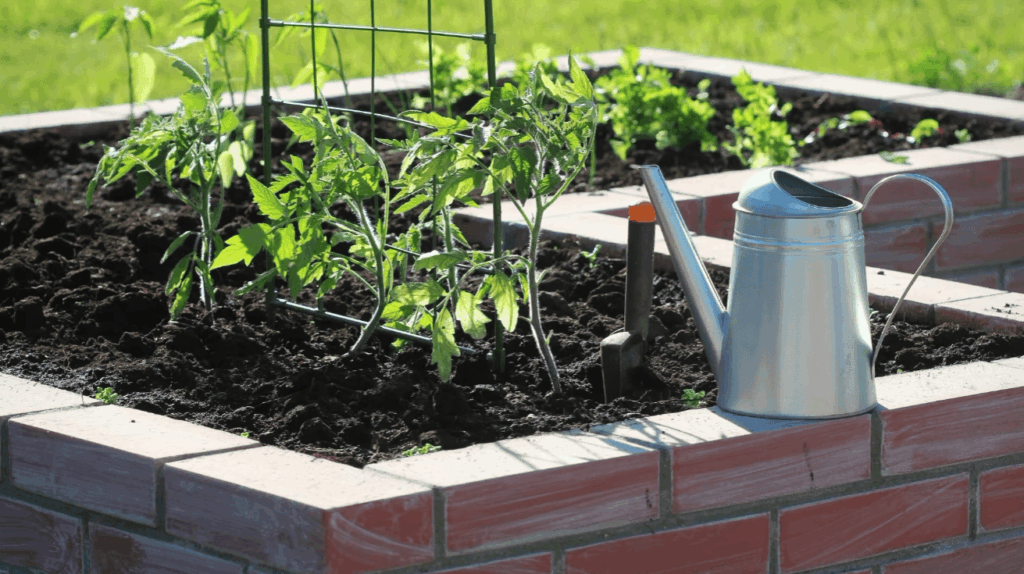
For determinate types, also known as “bush” tomatoes, a shallower bed around 12 inches deep can often suffice. These tomatoes typically have a more compact root system and can thrive in a slightly shallow space. On the other hand, indeterminate types, or “vining” tomatoes, have a tendency to develop extensive root systems. For these varieties, providing an 18-inch bed can offer the extra depth needed for their roots to flourish.
While these are general guidelines, it’s always important for gardeners to consider the specific requirements of the tomato type they plan to cultivate. By doing so, they can ensure that their tomato plants have the ideal growing conditions for a successful harvest.
Why the Height of the Bed is Important
Length of the lifted garden bed is more than just a measurement; it forms the foundation upon which the health and productivity of your tomato plants rest. Deep, well-prepared beds give roots room to grow and spread, which in turn supports robust plant growth above ground. A deeper bed also offers improved drainage, helping to prevent waterlogging and associated issues such as root rot. Furthermore, it allows for better soil amendment, giving you the capability to tailor the soil to the nutritional needs of your plants. A raised bed of appropriate depth can therefore be key in creating an environment conducive to growing thriving, productive tomato plants. It’s a factor that, quite literally, carries a lot of weight in the garden.
What to Lay on the Floor of the Upper Raised Bed?
Lower bedding in the natural bed should be a blend of materials that enhance drainage and promote root growth. Begin with a layer of weed barrier fabric or cardboard to suppress weeds from growing up into your bed. Over this, add a layer of coarse, bulky material such as twigs, branches, or straw, also known as the “hugelkultur” method, to improve aeration and drainage. Next, add a layer of compost or well-rotted manure to contribute organic matter and beneficial microorganisms to the soil. Finally, top up the bed with a good quality topsoil mixed with compost. This mix ensures that your tomato plants have the nutrients they need right from the start. Remember, the composition of your bottom layer may change based on particular needs of your plants and the nature of your local soil and climate. Consult with your local agricultural extension service or a knowledgeable nursery professional for tailored advice.
How Far Up Should the Tomato Bed Be Raised?
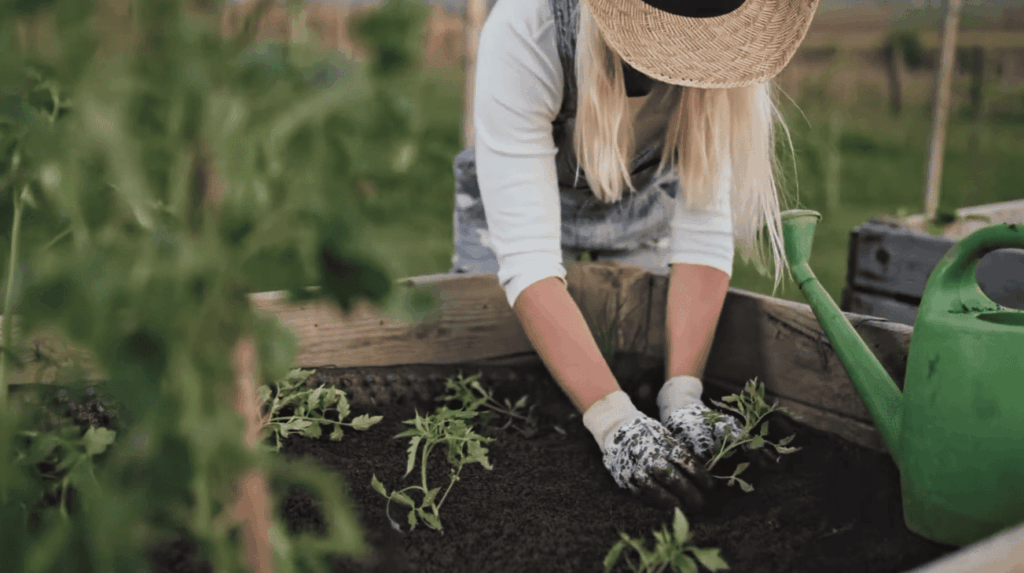
When planning your raised beds for tomatoes, a rule of thumb is to aim for a depth of around 12 to 18 inches. This depth supports robust root growth, good nutrient uptake, and efficient water drainage. Tomato plants, in general, have deep root systems that can extend down to 3 feet, therefore a lifted bed between 12 and 18 inches deep offers a good start.
However, it’s essential to note that the ideal depth can fluctuate based on the particular variety of tomato you are planting. For bush or determinate tomatoes, which have more compact root systems, a 12-inch deep bed is typically satisfactory. In contrast, vining or indeterminate tomatoes, known for their extensive root systems, are better suited to an 18-inch deep bed for optimal growth.
Therefore, while 12 to 18 inches is a good starting point, always consider the specific variety of tomato and its individual requirements when determining the depth of your raised beds. In all cases, a deeper bed generally means more room for roots to grow and more nutrients for them to absorb, leading to healthier, more productive plants.
The case for building a shallow raised bed
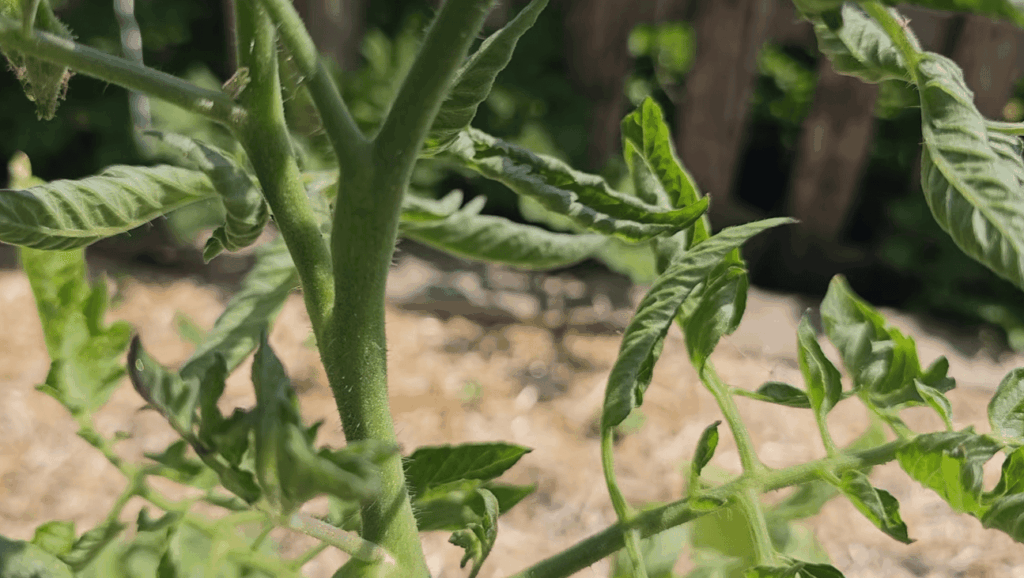
While the optimal depth for growing tomatoes in raised garden beds is generally between 12 to 18 inches, there are instances and circumstances where a shallower raised bed could be beneficial. First, a shallower bed requires less soil, making it a more cost-effective option for gardeners on a tight budget. Secondly, gardeners with physical constraints might find maintaining a shallower bed to be less labor-intensive. For growing determinate or “bush” tomato varieties with compact root systems, a bed as shallow as 12 inches can be sufficient for healthy growth. Additionally, if the native soil beneath the bed is of good quality and free from issues such as heavy clay or rock, tomato roots can extend beyond the bed into the native soil, in effect, increasing the growing depth without the need for a deeper bed. However, it should be noted that shallower beds may require more frequent watering as they may dry out faster, and more careful nutrient management, as there is less soil to buffer against nutrient imbalances. As always, consider your specific situation and the needs of your plants when deciding on bed depth.
Why have a higher raised bed?
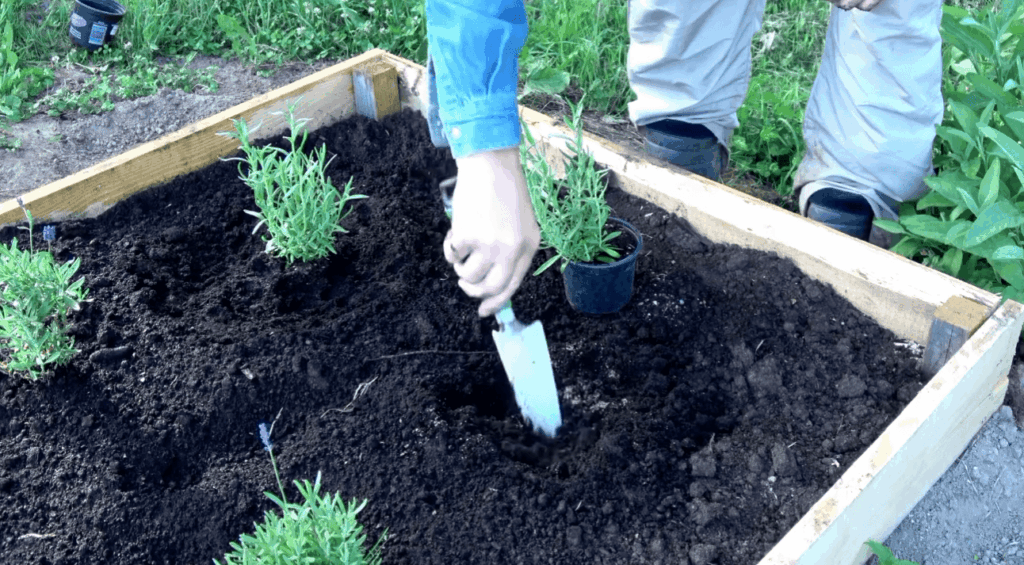
Opting for a higher raised bed can offer several advantages, particularly in terms of improved soil conditions, accessibility, and pest control. Notably, a raised bed allows for better control over the soil environment. You can easily amend the soil with compost and organic matter to create the ideal conditions for tomato growth, independent of the quality of the native soil. A higher bed also improves drainage, reducing the risk of waterlogging and root diseases such as root rot. Additionally, a higher raised bed is easier to maintain and work on, reducing the strain on the back and knees, which can be a significant advantage for elderly or disabled gardeners. It also adds a layer of protection against certain pests like slugs and rabbits. However, it’s important to remember that a higher raised bed will require more soil, which can increase initial setup costs. Despite this, the benefits of improved growing conditions can lead to higher yields, making it a worthy investment for many gardeners.
A couple of tricks for filling a tall raised bed
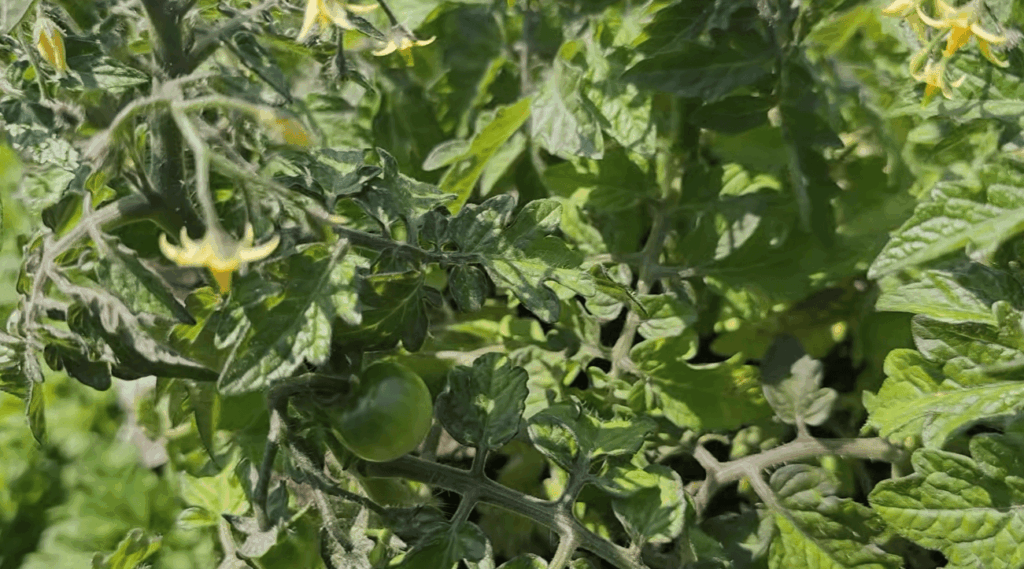
Filling a tall raised bed can be slightly challenging, particularly due to the volume of soil required. However, there are a few tricks you can use to fill your raised beds effectively. One approach is to use a “lasagna” method, also known as sheet mulching. This involves layering green and brown organic materials, almost like creating a compost pile within your bed. Start with a layer of cardboard or newspaper at the bottom, followed by green materials like vegetable scraps, coffee grounds, or fresh grass clippings. Add a layer of brown materials next, such as straw, leaves, or shredded newspaper. Continue alternating these layers until the bed is full. This organic material will decompose over time, creating nutrient-rich soil for your plants.
Another trick is to fill the bottom half of the bed with logs, branches, or wood chips before adding soil. This technique, known as hugelkultur, creates a natural reservoir of nutrients and moisture, reducing the need for watering and fertilizing.
While these methods reduce the amount of soil needed initially, remember that organic materials will decompose over time and the topsoil level may drop. Plan to top up your soil as needed to maintain the desired depth for your tomato plants. As always, remember to consider the specific needs of your plants and the local climate when choosing materials for your raised bed.
FAQ
Is 12 inches deep enough for tomatoes?
Yes, a depth of 12 inches can be enough for certain types of tomatoes, specifically determinate or “bush” tomato varieties, which have more compact root systems. These types of tomatoes are bred and engineered to grow to a compact height and stop growing when fruit sets on the top bud. Because of their more contained growth habit, they require less depth for their root systems.
On the other hand, for indeterminate or “vining” tomatoes, which continue to grow and produce fruit throughout the growing season until killed by frost, a deeper bed of 18 inches is more appropriate. These varieties have extensive root systems that benefit greatly from the extra depth, allowing their roots to spread out and access more nutrients and water.
However, it’s important to consider that the depth requirement can also depend on the quality of the native soil beneath the raised bed. If the native soil is good and nutrient-rich, the roots of the tomatoes can extend beyond the bed into the soil, effectively increasing the growing depth available to the plants.
As always, it’s crucial to consider your specific situation and the needs of your plants when deciding on the bed depth. Factors such as the variety of tomatoes you’re growing, the quality of your native soil, and the overall conditions in your garden should all be taken into account to ensure optimal growth and productivity.
What size raised bed is best for tomatoes?
The ideal size for a raised bed dedicated to growing tomatoes depends on several factors, including the type of tomatoes you plan to grow and the available space in your garden. Generally, a bed that’s at least 3 feet wide provides ample room for tomatoes to branch out and allows gardeners easy access to the plants. Length can vary based on your garden space or personal preferences. As for the depth, as we’ve already discussed, it mainly depends on the variety of tomatoes you intend to cultivate. Determinate, or “bush” tomato varieties, can do well in beds that are around 12 inches deep. In contrast, indeterminate or “vining” varieties typically require a deeper bed of about 18 inches for optimal growth. However, these figures are not hard rules and can be adapted to suit your specific needs and circumstances. It’s important to remember to leave enough space between your plants for air circulation to prevent diseases. A rule of thumb would be to plant tomatoes about 18-36 inches apart in a row with rows spaced 36-60 inches apart. Always consider your specific situation, available resources, and the needs of your plants when deciding on the size of your raised bed.
How deep should a raised garden bed be for vegetables?
The depth of a raised garden bed for vegetables can vary widely depending on several factors. These factors include the type of vegetables being grown, the quality of the native soil, the gardener’s physical ability to access the bed, and even the local climate.
As a general rule, most vegetables require a minimum of 6 to 12 inches of soil depth for healthy root development. However, it’s important to consider the specific needs of different types of vegetables. Root vegetables such as carrots, beets, and potatoes, or vegetables with extensive root systems like tomatoes, beans, and squash, will perform better in raised beds that are 12 to 18 inches deep or even deeper.
Deeper beds not only allow for better root establishment and nutrient availability but also provide more space for root growth. This can lead to healthier plants and higher yields. Of course, deeper beds will require more soil, so it’s important to factor in the cost and availability of soil when planning your garden.
It’s worth noting that if the native soil beneath the raised bed is of good quality, roots can extend beyond the bed into the soil, effectively increasing the growing depth. This can be advantageous in terms of providing additional space for root development.
In addition to considering the needs of your plants, it’s crucial to think about your own comfort and accessibility. If bending over or kneeling is challenging, consider building raised beds to a comfortable height that allows for gardening without strain.
Ultimately, the depth of your raised garden beds should be determined by a combination of factors such as plant requirements, soil quality, and personal preferences. Taking these factors into consideration will help you create an optimal growing environment for your vegetables.
What is the best height for a raised vegetable bed?
The optimal height for a raised vegetable bed largely depends on the specific needs of the gardener and the types of vegetables to be grown. For individuals with mobility issues or those looking to reduce strain on their back and joints, a raised bed of about 24 to 36 inches can be ideal as it provides a comfortable height for gardening without the need to bend over or kneel. This height allows for easy access and ensures that the gardener can tend to their plants without experiencing discomfort. However, it is important to consider the practicality of such a height for larger gardens, as it may require a substantial amount of soil to fill the raised bed.
On the other hand, for gardeners focusing on deep-rooted vegetables like tomatoes, beans, or root vegetables, a bed depth of 12 to 18 inches is often recommended. This depth allows for healthy root development and encourages optimal growth and yield. Deep-rooted vegetables require ample space for their roots to grow and establish themselves, and a slightly shallow raised bed may not provide sufficient depth.
It is also worth noting that the quality of the native soil beneath the raised bed can impact the overall growing conditions. If the underlying soil is of good quality, roots can extend beyond the bed into the soil, effectively increasing the growing depth available to the plants. This can be advantageous for gardeners who want to maximize the available growing space and encourage deeper root systems.
In conclusion, determining the best height for a raised vegetable bed involves considering the specific needs of the gardener, the type of vegetables to be grown, and the quality of the native soil. By carefully assessing these factors, gardeners can create an optimal growing environment that promotes healthy plants and successful harvests.
Do raised beds need to be perfectly level?
While it’s not mandatory for raised beds to be perfectly level, it is highly recommended for several important reasons. First and foremost, a level bed ensures even water distribution throughout the entire area. When a bed isn’t level, water has a tendency to flow towards the lower part, potentially overwatering some plants while leaving others thirsty. This uneven moisture level can lead to inconsistent plant growth and even promote the development of diseases. By maintaining a level bed, you can effectively prevent these issues and promote healthier plant growth.
Secondly, a level bed also plays a crucial role in preventing soil erosion. If your raised bed is situated on a slope, heavy rains can easily wash away the topsoil along with valuable nutrients. This erosion can negatively impact the overall health and fertility of the soil, making it more difficult for plants to thrive. By ensuring that your raised bed is level, you can help mitigate soil erosion and preserve the integrity of the soil structure.
Lastly, having a level bed simply makes various gardening tasks, such as planting, weeding, and harvesting, much easier and more efficient. When the bed is level, it provides a stable and consistent surface for working, allowing you to perform these tasks with greater precision and ease. This can significantly enhance your gardening experience and make maintenance activities a breeze.
Therefore, it is highly recommended to take the time to level your raised beds as much as possible. By doing so, you can ensure optimum plant health and yield, prevent soil erosion, and enjoy the convenience of easier gardening tasks.
What is the minimum recommended depth of raised beds?
The minimum recommended depth of raised beds primarily depends on the type of crops you plan to cultivate. Generally, most vegetables demand at least 6 to 12 inches of soil depth for healthy root development. However, the depth can vary based on the specific needs of different plants.
For shallow-rooted crops like lettuce, radishes, and other leafy greens, a minimum depth of 6 inches will be sufficient. These types of plants have shorter roots and do not require as much soil depth for optimal growth.
On the other hand, deep-rooted vegetables such as tomatoes, beans, and root vegetables like carrots or potatoes will need a more substantial soil depth of at least 12 to 18 inches. These plants have longer and more extensive root systems, which require deeper soil to establish strong and healthy roots.
It’s important to note that these figures are mere guidelines, and flexibility is crucial. Factors such as the quality of the native soil beneath the bed, the gardener’s physical ability to care for the bed, and the specific requirements of the plants should always be taken into consideration.
While deeper beds require more soil and resources, they also provide better root establishment and nutrient availability, leading to healthier plants and potentially higher yields. So, it’s worth considering the benefits of deeper beds if you have the means to accommodate them in your gardening setup.