
Neem oil has long been praised for its medicinal and agricultural applications. In gardening, it’s commonly used as an organic insecticide, offering a natural means to combat a wide range of pests that could jeopardize plant health. However, like all substances, it’s crucial to use neem oil appropriately to avoid unintended consequences. One key question that often arises is if excessive amounts of oil could damage or even kill plants. This document aims to delve into this topic, providing clarity and guidance to gardeners and plant enthusiasts alike.
How do I know if I’ve put too many neem oils in my garden?
Leaves are burned in the sun
Excessive amounts of the oil can produce a phenomenon similar to sunburn on the leaves of plants. This is due to the fact that the oil creates a coating on the leaf surface that amplifies the heat and light from the sun, much like how oil intensifies the sun’s effects on human skin. The leaves might exhibit signs of scorching such as browning or curling at the edges, and in extreme cases, entire leaves can shrivel and fall off. These symptoms are particularly noticeable in plants exposed to high levels of sunlight. It’s important to ensure that you use feverfew oil in the correct amounts and conditions to prevent this from happening.
Leaves hang down or yellow
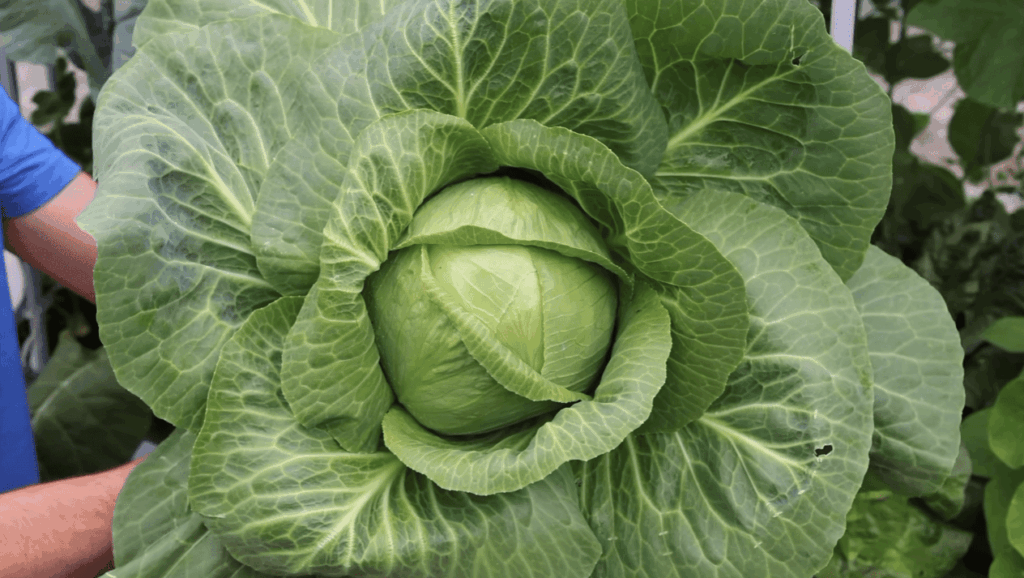
Excessive use of neem oil can also lead to drooping or yellowing of leaves. A healthy leaf is typically firm and green; however, when subjected to too much neem oil, the leaves may start to lose their robustness and droop, indicating an unhealthy state. This drooping is often a sign of water stress, as the oil can clog the stomata — small openings on the leaves that allow for gaseous exchange — impairing the plant’s ability to respire efficiently. Furthermore, the leaves might also start turning yellow, a condition known as chlorosis. This happens when neem oil overdose interferes with the plant’s chlorophyll production, which is essential for photosynthesis. In essence, putting on too large amounts of neem seed oil can starve the plant of vital nutrients it requires for growth and survival. Therefore, it is vital to administer neem oil wisely to prevent causing such detrimental effects.
Will excessive amounts of neem oil harm crops?
Indeed, although oil of neem has numerous advantages if used as an organic pesticide, its excessive use can undoubtedly cause more harm than good. Plants, especially young saplings or ones subjected to higher intensity light, are susceptible to damage when applying too much neem oil. As highlighted earlier, symptoms like sunburnt leaves, chlorosis, and drooping are clear indications of neem oil toxicity. This is primarily because an overdose of neem oil can interfere with the plant’s vital processes such as photosynthesis and respiration. Consequently, the plant’s health deteriorates, and in severe cases, it can lead to plant death. Therefore, it is paramount for gardeners to follow appropriate guidelines if utilizing neem seed oil to ensure that it serves its purpose as an effective pesticide, without detrimentally impacting herb health.
How do I remove surplus neem oil from my flowers?
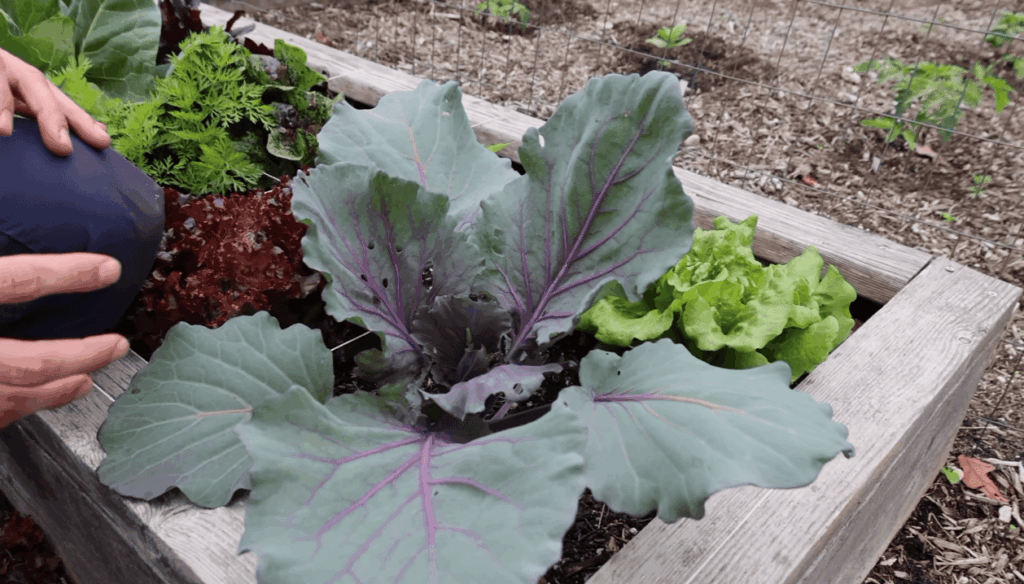
If you accidentally apply excessive amounts of neem oil to their flowers, it is important to act quickly to reduce possible harm. Start by rinsing the plants gently under running water. This can help remove the oil coating from the leaves and also unclog the stomata — the small openings on leaves that are essential for transpiration and gas exchange. Be careful not to use a high-pressure stream as it can damage the leaves further.
After rinsing the plants, сonsider using a soft laundry detergent mixture. Dilute a few sprinkles of laundry detergent in a liter of water and spray the plants carefully with this solution. Soap will break up the oil, making it easier to rinse off. After the soap treatment, rinse your plants again with fresh water.
Remember, prevention is always better than cure. To avoid excessive use of neem seed butter in the future, always follow the recommended usage guidelines. It’s better to start with a lower concentration and gradually increase it if necessary, rather than causing harm by applying too large amounts at once.
How to prevent using too many neem oils?
Dilute the oil prior to application
An important step in preventing excessive use of oil of neem is to dilute it prior to application. Absolute neem oil is very strong and can harm plants if applied directly. To properly make diluted feverfew oil for use on botanicals, follow this simple recipe: Mix 1/2 to 2 teaspoons of feverfew oil in a liter of water. Stir or shake the mixture thoroughly to ensure the oil is evenly distributed in the water. Before applying this mixture to your plants, test it on a small portion of the plant first. Monitor this area for a few days for any signs of stress or damage. If there are no adverse effects, the diluted neem oil can be safely applied to the rest of the plant. Remember, the key to successful utilization of oil of neem is to balance its pest control benefits against its potential toxicity to your plants. Diluting the oil and testing it on a small area first ensures this balance is maintained.
Apply neem oil at the right time
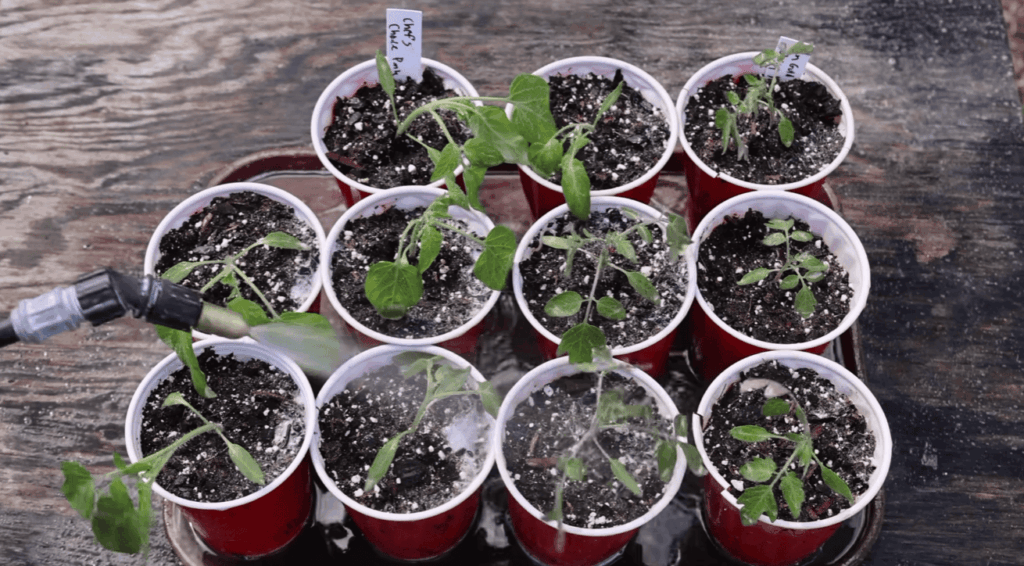
The timing of neem oil application can significantly influence its effectiveness and the overall health of your plants. It’s generally advised to spray neem oil in the early morning or late evening. During these times, the temperatures are cooler and the sun is not as intense, reducing the risk of sunburn on your plants. Furthermore, many beneficial insects such as bees and butterflies are less active during these hours, reducing the risk of harming them. Avoid applying neem oil during the hot midday sun or when plants are stressed due to drought or extreme temperatures. Additionally, do not apply neem oil if rain is predicted within 24 hours, as it could wash off the oil before it has had a chance to work effectively. By applying neem oil at the right time, you maximize its pest control benefits while minimizing potential harm to your plants and beneficial insects.
Don’t apply neem oil on sensitive plants
Certain plants are more sensitive to neem oil than others and may react adversely to its application. These can include certain succulents, ferns, and orchids, along with some varieties of roses and azaleas. Applying neem oil to these types of plants can result in leaf burn, discoloration, wilting, or even plant death in extreme cases. Before using neem oil, it’s advisable to research or consult a plant specialist to identify if your plants are sensitive to this natural pesticide. Alternatively, conduct a patch test by applying a small amount of diluted neem oil to a hidden part of the plant. Observe the treated area for a few days to see if any adverse reactions occur. If the plant shows signs of distress, it’s best to avoid using neem oil and seek other pest control methods. Remember, the ultimate goal is to protect and nourish your plants, not to harm them.
How to prepare neem oil spray for your plants
The preparation of a neem oil spray for your plants is a straightforward process which can be done using easily available ingredients and tools. Here’s a step-by-step guide:
- Gather Your Ingredients: You will need pure cold-pressed neem oil, mild dish soap (which acts as an emulsifier), and water.
- Measure the Neem Oil: For a basic mixture, add 1 to 2 teaspoons of neem oil per one quart of water. Remember that less is often more when it comes to using neem oil on plants.
- Add Dish Soap: Add a few drops of mild dish soap to the mixture. The soap helps the oil blend with the water, ensuring even distribution when spraying.
- Mix Well: Stir or shake the mixture vigorously to ensure the oil is well distributed in the water.
- Pour Into a Spray Bottle: Pour your well-mixed solution into a spray bottle.
- Test the Mixture: Before spraying all your plants, it’s important to test the mixture on a small portion of one plant first. Wait 24 to 48 hours to make sure it doesn’t damage the foliage.
- Apply Generously: If the test goes well, spray the mixture generously on all leaf surfaces, including the undersides where pests often hide.
Remember to regularly shake the spray bottle during application to keep the neem oil well mixed. Apply the spray once a week, or more frequently if you have a serious pest problem. Always remember, the effectiveness of neem oil is more about consistency rather than quantity.
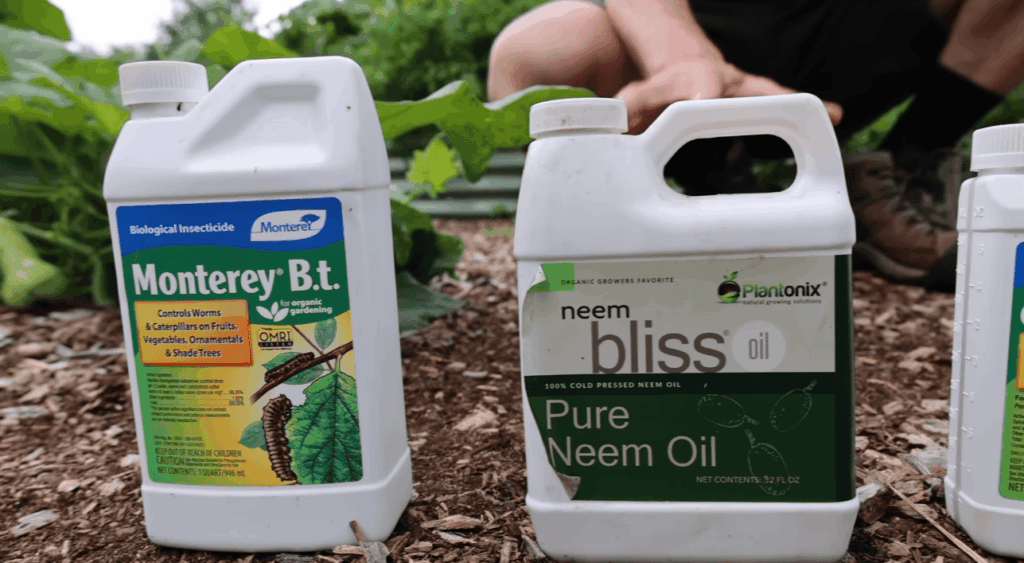
How to use neem oil spray on your plants
The application of neem oil spray on plants should be done with care to ensure maximum effectiveness and prevent potential harm. Here’s a guide on how to go about it:
- Inspect Your Plants: Before you begin, conduct a thorough inspection of your plants. Look for signs of pest infestation such as leaf damage, discoloration, or the presence of insects themselves. This helps determine which plants need the treatment the most.
- Protect Yourself: Although neem oil is generally safe, it’s recommended to wear protective clothing such as gloves and goggles during the application to avoid skin and eye irritation.
- Spray the Plants: Begin spraying the neem oil mixture onto your plants. Make sure to cover all parts of the plant, especially the undersides of leaves where pests often hide. Avoid over-saturating the plants, as this could lead to fungal growth.
- Monitor Your Plants: After application, keep a close eye on your plants over the next several days. Look for any signs of stress or damage. If any adverse reaction occurs, rinse the plants with water to remove the neem oil.
- Repeat Application: Depending on the severity of the pest problem, you may need to repeat the application process every week until the pests are eradicated.
Remember, the effectiveness of neem oil lies in regular and careful application. Always follow the guidelines and adjust as needed based on your plant’s response.
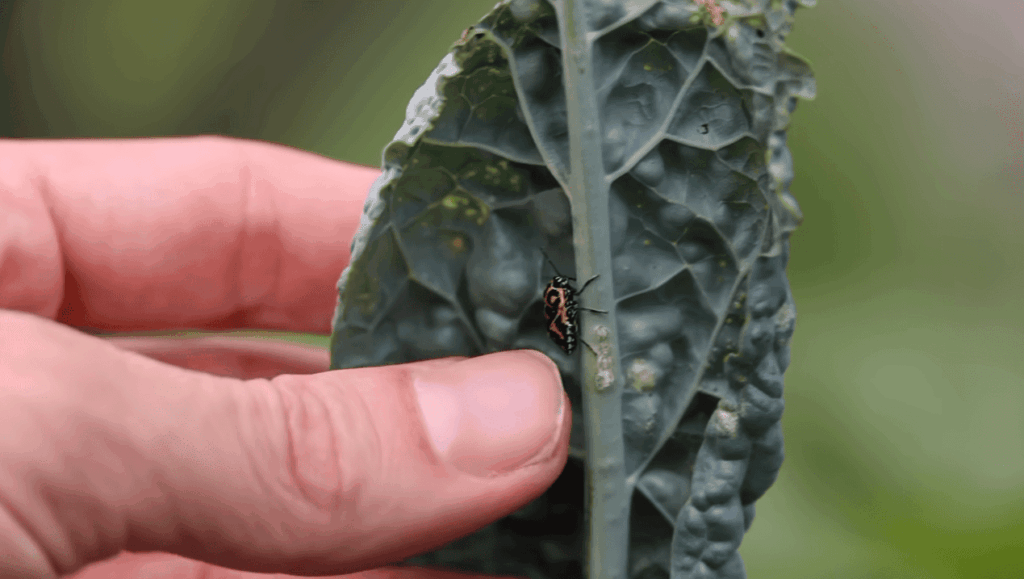
How Much Neem Oil Should I Spray on My Plants?
The quantity of neem oil to use on your plants largely depends on the severity of the pest infestation. However, it is always better to err on the side of caution and apply a smaller amount initially. As a rule of thumb, a 1% solution is typically sufficient, which equates to about 1 to 2 teaspoons of neem oil per one quart of water. Be sure to spray all parts of the plant, paying particular attention to the undersides of leaves where pests often reside. However, avoid over-saturating your plants, as an excess of neem oil can potentially harm the plant or lead to fungal growth. After applying, monitor your plants for any signs of distress. If there are no negative reactions within 24 to 48 hours, it’s safe to proceed with the same quantity of neem oil for future applications. Remember, the goal is not to drench your plants in neem oil, but to apply a thin, even layer that will deter pests and protect your plants’ health.
FAQ
Can you use too much neem oil on a plant?
Indeed, while neem oil is a natural and effective pesticide, it is possible to use too much of it on your plants. Overuse can lead to issues such as leaf burn, slowed growth, wilting, and in extreme cases, can even kill the plant. The oil works by suffocating the pests, but if too much is applied, it can also suffocate the plant by blocking the pores on leaves that are used for respiration. Furthermore, too much neem oil can make leaves shiny and sticky, which can attract dust and other types of dirt, which in turn may lead to fungal growth. Therefore, it’s crucial to follow the recommended dosage and application instructions carefully. Start with a lower concentration if you’re unsure, and always test a small area first. Remember, the aim of using neem oil is to protect your plants from harmful pests without causing them any harm.
Will neem oil kill my plants?
Neem oil, when used appropriately, will not kill your plants. Instead, it serves as a natural pest deterrent, protecting your plants from damaging insects. However, if used excessively or incorrectly, neem oil can potentially harm plants. Over-application can result in leaf burn, hindered growth, wilting, and in extreme cases, it can even kill the plant. This is because excess neem oil can block the pores on the leaves that plants use for respiration, essentially suffocating the plant. Also, overly shiny and sticky leaves caused by excessive neem oil can attract dust and trigger fungal growth. Thus, it’s crucial to adhere to the recommended dosage and application instructions. If you’re a first-time user, start with a lower concentration, and always test the mixture on a small portion of your plant first. With careful use, neem oil can be an effective, natural tool in your pest control arsenal, helping to maintain the health of your plants rather than harm them.
Why did neem oil burn my plants?
Neem oil, despite being a natural and generally safe pest management solution, can cause “burning” or damage to your plants if used improperly. This usually occurs when the oil is applied too heavily or too frequently, or when it is used under inappropriate conditions. Here are some possible reasons for neem oil causing harm to your plants:
- Over-application: Neem oil works by creating a physical barrier that pests find difficult to penetrate. However, if applied too heavily, it can block the plant’s stomata (pores) on the leaves, hindering photosynthesis and respiration, which leads to “burning” or wilting.
- Inappropriate Timing: Applying neem oil during hot, sunny weather can cause the oil to heat up on the leaf surface and burn the plant tissue. For this reason, it’s best to apply neem oil early in the morning or late in the evening, when the sun is less intense.
- Incorrect Dilution: If the neem oil is not properly diluted, it can be too strong for the plant to handle, leading to burn or damage. Always adhere to the recommended dilution rates.
- Sensitive Plants: Some plants are more sensitive to oil-based products, including neem oil. Always test a small area first to see how the plant reacts before applying to the entire plant.
To avoid plant burn in the future, ensure you use neem oil appropriately, considering factors such as the correct dilution, the right timing, and the specific needs and sensitivity of your plants.
Can I spray neem oil everyday on plants?
While it might be tempting to spray neem oil daily on plants, especially in cases of severe infestations, it’s generally not recommended. Over-application can lead to harmful consequences such as leaf burn, hindered growth, and in extreme cases, it can even cause plant death. Neem oil works by suffocating pests, but if used too frequently, it can also block the pores on the leaves that plants use for respiration, thereby suffocating the plant. Moreover, daily application can make leaves overly shiny and sticky, which can attract dust and lead to fungal growth. It’s advisable to follow the recommended application schedule, which is typically once a week, but this can vary based on the severity of the pest problem and the plant’s response to the oil. Always monitor your plants carefully after each application to assess their health and adjustment to the treatment.
How long does neem oil last once sprayed?
Once applied, the effects of neem oil can last for roughly one to two weeks, depending on weather conditions and the severity of the pest infestation. However, in terms of its shelf life, neem oil is known to degrade relatively quickly when exposed to sunlight. This is why it’s typically recommended to use the mixture within eight hours of preparation. The fast degradation rate of neem oil also means that it doesn’t leave long-lasting harmful residue on the plants or in the soil, making it a safer alternative to many synthetic pesticides. However, it’s worth noting that frequent reapplication may be necessary, especially when dealing with persistent pests or during rainy periods when the oil can be washed off. Always check your plants regularly to determine when another application may be necessary.
When should you not spray neem oil?
There are a few instances when it’s best to avoid spraying neem oil on your plants. One of the primary factors to consider is the weather. Avoid spraying neem oil during hot, sunny days, as the oil can heat up on the leaf surface and cause damage to the plant tissue. It’s best to apply neem oil early in the morning or late in the evening when the sun is less intense. Similarly, avoid application during periods of rain as the oil will likely be washed away, rendering it ineffective. Another crucial consideration is the plant’s health. If a plant is already stressed, for example, from drought or over-watering, the additional stress from the oil can be detrimental. Furthermore, some plants are more sensitive to oil-based products, including neem oil. If you’re unsure of a plant’s sensitivity, always conduct a patch test on a small area first. Lastly, refrain from using neem oil on plants that are flowering. The oil can harm beneficial insects like bees that are crucial for pollination.