
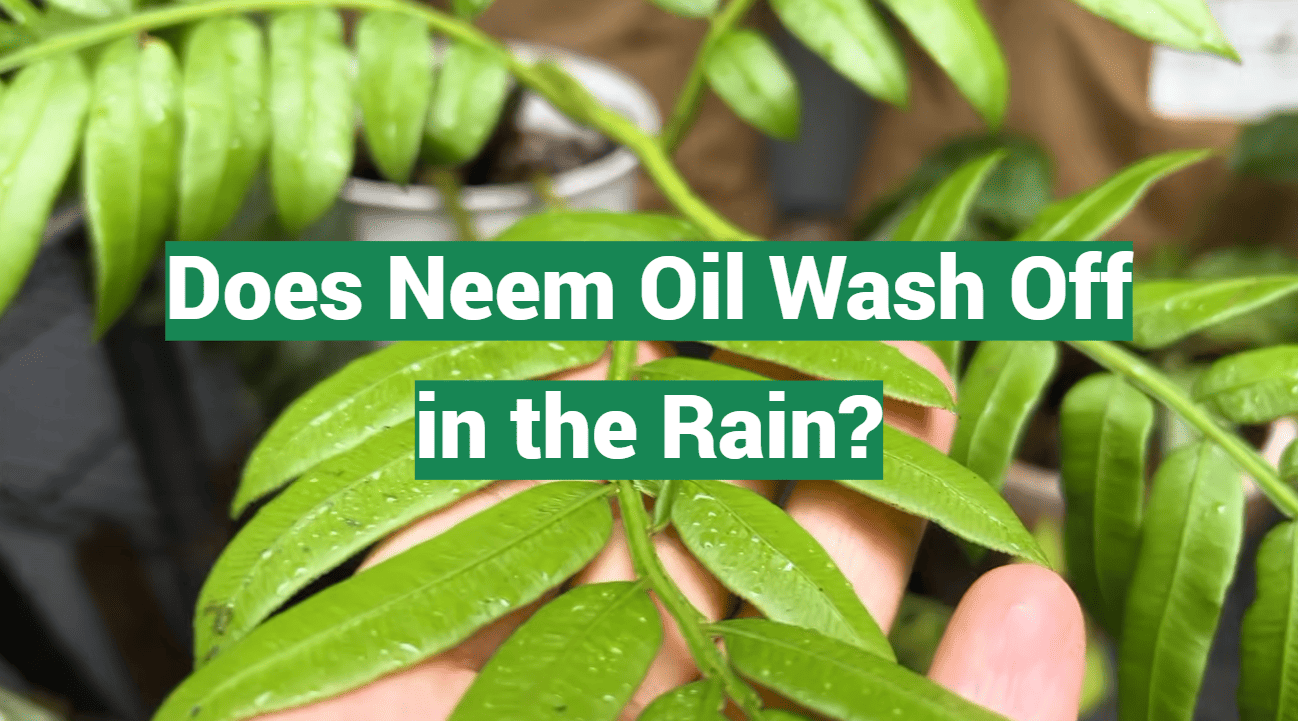
Neem oil, a famous organic pesticide, is widely renowned for its insecticidal properties. Gardeners and farmers across the globe rely on this potent natural product to protect their plants from various pests. However, one concern that often arises is the effectiveness of neem oil in the rain. Does it simply wash away, leaving plants vulnerable to pest attacks? This document will explore this question in detail, providing you with insights on how rain affects the application of this oil.
What Is Neem Oil?
Oil of neem is a native compound of the plant pesticide from the seeds of the Neem tree, native to India. This biodegradable oil possesses a variety of active ingredients, such as azadirachtin, nimbin, and nimbidin, which have powerful insecticidal and fungicidal properties. Its broad spectrum of action allows it to control many pests, including aphids, mites, whiteflies, and even some types of fungi and bacteria. Apart from its pesticidal uses, Neem oil also has a wide range of applications in traditional medicine and skincare, highlighting its versatility and importance.
How Does Neem Kill Insects?
Neem essential oil acts through multiple mechanisms to deter pests. The primary active ingredient, azadirachtin, disrupts the life cycle of insects at all stages – egg, larvae, and adult. It inhibits the feeding instinct of insects, effectively starving them, and interferes with their hormonal system, preventing them from maturing and reproducing. This multifaceted approach to pest control makes neem oil a highly effective natural pesticide. Furthermore, being an oil, it also suffocates pests by clogging their respiratory pores, leading to their eventual death. Despite its toxicity to pests, oil of neem is safe for useful bugs in principle such as bees and butterflies, which do not eat the leaves it protects, making it an eco-friendly choice for pest management.
How Does Neem Treat Disease?
Neem oil holds a prominent place in traditional medicine, particularly in Ayurvedic practices, due to its potent antiviral, antibacterial, antifungal, and anti-inflammatory properties. The active compounds, such as azadirachtin, nimbin, and nimbidin, effectively fight off a host of pathogens, preventing and treating numerous diseases. In skin care, for example, its antibacterial properties are used to treat conditions like acne and eczema, while its antifungal attributes help fight off fungal infections such as athlete’s foot. In agriculture, these same properties are harnessed to deal with plant diseases caused by harmful bacteria and fungi. Neem oil’s ability to treat disease, therefore, extends from human health to plant health, proving its value as a versatile, natural solution.
Benefits Of Using Neem Oil
Neem oil offers a plethora of benefits, especially in the realm of gardening and agriculture. Safe and environmentally friendly nature makes it an excellent alternative to synthetic pesticides that often contribute to environmental degradation.
One of the key advantages oils of neem is his broad-spectrum action against a variety of pests. It effectively controls many types of insects, mites, and nematodes, and even some fungal and bacterial diseases. This makes it a versatile tool in the hands of gardeners and farmers.
Another notable benefit is its safety for beneficial insects. Unlike many other types of chemicals, the oil is not harmful to pollinators like bees and butterflies, or predatory insects that help control pests. This selective action is crucial in maintaining the delicate balance of ecosystems and promoting biodiversity.
The mode of action of neem oil, which involves disrupting the life cycle of pests and inhibiting their feeding, ensures long-term pest control. Unlike some pesticides that pests can quickly develop resistance against, the multi-pronged attack of neem oil makes it difficult for pests to adapt to.
Lastly, the antifungal and antibacterial properties of neem oil make it effective in controlling plant diseases. This makes it a double-edged sword that not only protects plants from pests but also from various diseases, ensuring healthier and more productive crops or gardens.
Drawbacks Of Using Neem Oil
Despite the numerous benefits, the use of neem oil is not without shortcomings. Firstly, it is not a quick-kill solution. Since it works by disrupting the lifecycle of pests and inhibiting their feeding, it takes time to show its effects. This may not be suitable for severe infestations that require immediate action. Neem oil is also sensitive to environmental conditions. It can break down quickly when exposed to sunlight or high temperatures, reducing its effectiveness. This means it needs to be reapplied more often, which could be difficult and take a lot of time.
Another drawback is that although oil from neem is generally friendly to useful insects, it can be harmful if it directly contacts these insects. Therefore, care should be taken when spraying to avoid harming beneficial bugs.
Additionally, neem oil can be harmful to aquatic life. Therefore, it is crucial to prevent it from entering waterways. Lastly, some people may find the strong odor of neem oil to be unpleasant, and it may cause skin or eye irritation in some individuals. Therefore, protective measures such as wearing gloves and goggles are advisable when handling neem oil.
How to Use Neem Oil
Using neem oil effectively requires a few simple steps. Firstly, always start by reading and following the instructions on the product’s packaging for dilution and application rates. Typically, neem oil is sold as a concentrate that needs to be diluted with water before use. For general use, a common ratio is one ounce of neem oil to one gallon of water, but this can vary depending on the severity of the infestation.
After creating your mixture, it’s time to apply it. Spray the neem oil solution on all parts of the plant, especially the undersides of leaves where pests often reside. Be sure to shake your sprayer occasionally to keep the solution well mixed.
Neem oil is best applied in the early morning or late evening to prevent leaf burn and to ensure that beneficial insects are not active. After application, monitor your plants closely to determine the effectiveness of the treatment and reapply as needed. Usually, reapplication should be done after 7 to 14 days, or after heavy rainfall, since rain can wash off the neem oil.
Remember, while neem oil is generally safe, it should still be handled with care. Always wear protective clothing, and avoid spraying on windy days to prevent drift. Also, avoid spraying near water bodies to protect aquatic life.
Through these steps, you can utilize the power of neem oil to protect your plants from pests, diseases, and maintain a healthy garden.
How Do You Wash Neem Oil Off Plants?
Mix a Mild Soapy Water Solution
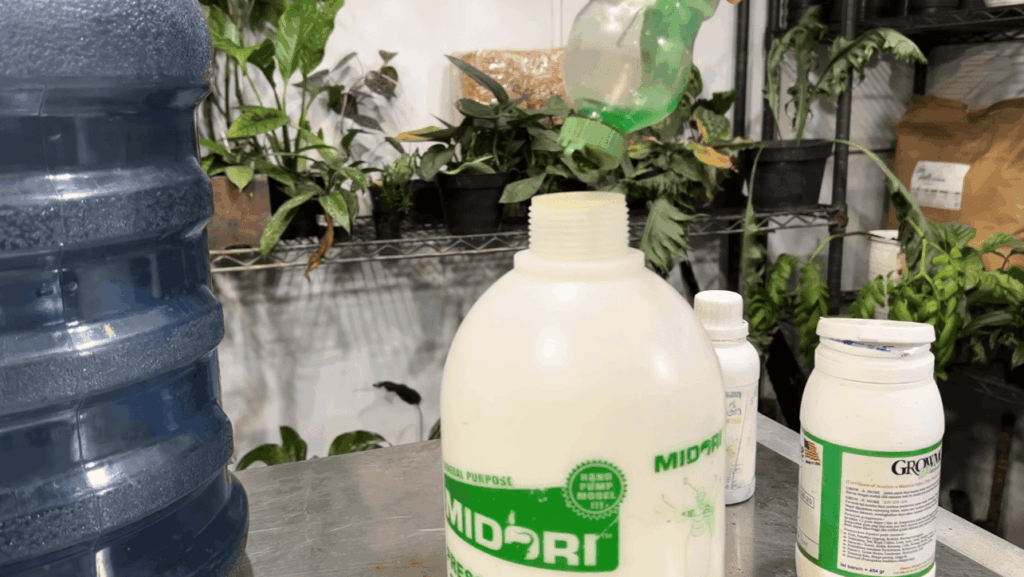
To create a mild soapy water solution, you’ll need liquid dish soap and water. Start by filling a gallon jug with water. Then, add one teaspoon of liquid dish soap. It’s important to use soap and not detergent, as detergents can be harmful to plants. After adding the soap, shake the jug gently to mix the solution without creating too much foam. This mild soapy water solution is gentle on plants yet effective in breaking down and washing off neem oil. Always remember to test this solution on a small part of the plant first to ensure it doesn’t cause any adverse reactions.
Spray Plants with Soapy Water
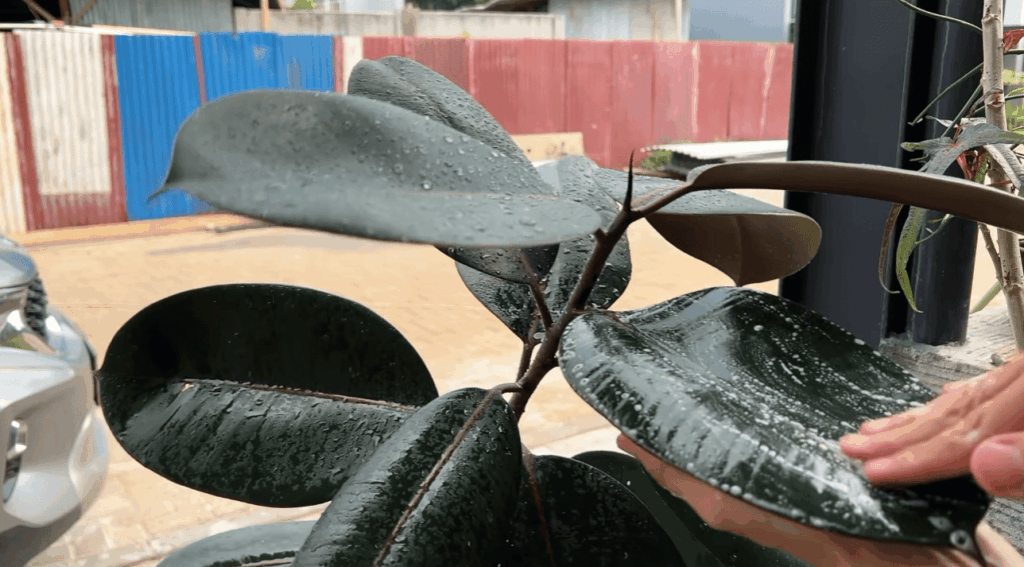
After preparing your mild soapy water solution, it’s time to spray it onto your plants. Using a spray bottle or garden sprayer, thoroughly wet the plants with the solution, making sure to cover all leaf surfaces, both upper and lower. Take special care to focus on the areas which were previously treated with neem oil. The soapy water will begin to break down the oil, making it easier to rinse off. Remember, the goal is not to drench the plants but to cover them in a fine mist of the solution. This process should be done during the cooler parts of the day, such as early morning or late evening, to avoid potentially burning the leaves in direct, hot sunlight. Proceed with a gentle approach to prevent causing any stress or damage to the plants.
Rinse Plants with Water
Once you have thoroughly sprayed your plants with the soapy water solution, the next step is to rinse them with clean water. For this, use a garden hose equipped with a spray nozzle. Adjust the water pressure to a gentle shower setting and carefully rinse the soapy water, along with the broken down neem oil, off the plants. Be sure to rinse all parts of the plants, including the undersides of the leaves. While washing, avoid high water pressure as this can potentially harm the plants by damaging the leaves or dislodging them from the stem. After rinsing, let the plants air dry naturally. This rinsing process should ideally be done during the cooler parts of the day to avoid potential leaf burn from the sun.
Does Rain Wash Away Neem Oil?
Yes, rain does have the potential to wash away neem oil from plants. Neem oil, being an oil-based product, does not easily mix with water and can be washed off by rainfall or regular watering. This is particularly true if the rain or watering occurs shortly after you’ve applied the neem oil to your plants. Therefore, the effectiveness of neem oil as a pest deterrent can be reduced significantly after a heavy rain. It’s advisable to check your plants after a rain shower and reapply the neem oil solution if necessary. When planning to spray neem oil on your plants, try to do so when the weather forecast suggests a dry spell, and there’s no rain expected for at least 24 hours. This allows the neem oil ample time to absorb and work effectively. However, bear in mind that regular reapplication of neem oil is essential for the ongoing protection of your plants, irrespective of weather conditions.
Can You Water Plants After Applying Neem Oil?
Yes, you can water plants after applying neem oil, but it’s advised to wait for a substantial amount of time before doing so. As an oil-based product, neem oil does not mix easily with water and can be washed off if watering is done too soon after application. Ideally, you should wait for the neem oil to absorb into the plant and dry. This process typically takes about 24 hours. Watering should be done before application or after the oil has had enough time to absorb. If watering is necessary soon after applying neem oil, consider watering at the base of the plant to avoid washing off the oil from the leaves. As with rain, if you water the plants soon after application and the neem oil is washed off, the oil will need to be reapplied for continued pest protection.
FAQ
Does rain wash off neem?
Yes, rain can indeed wash off neem oil from your plants. As neem oil is oil-based, it repels water and hence can be removed by heavy rains or a thorough watering. This is particularly true if the rain or watering occurs shortly after you have applied the neem oil. Consequently, the effectiveness of neem oil in pest control can be significantly reduced after a substantial rainfall. Therefore, after a rain shower, it is recommended to check your plants and reapply neem oil if needed. It is most effective to spray your plants with neem oil when the forecast predicts a prolonged dry spell with no rain expected for at least 24 hours, permitting the neem oil enough time to be absorbed and work effectively. However, it is essential to remember that for the continued protection of your plants, regular reapplication of neem oil is necessary, regardless of the weather conditions.
Will neem oil work if it rains?
Neem oil can still be effective even if it rains, but its effectiveness largely depends on the timing of the rain in relation to when the neem oil was applied. If it rains shortly after the application of the neem oil, the oil may be washed off, reducing its ability to protect plants from pests. However, if the neem oil has had ample time (preferably 24 hours) to be absorbed into the plant and dry before the rain, then it’s likely that a significant amount will remain on the plants despite the rain. It’s also worth noting that ongoing protection requires regular reapplication of neem oil, particularly after heavy rainfall. So even if the rain washes some of the oil away, reapplying the oil will ensure that your plants continue to be safeguarded against pests.
How long does neem oil stay active?
Neem oil’s active period varies depending on various conditions, but typically, it remains effective for about one to two weeks after application. However, this period can be influenced by environmental factors such as rainfall, sunlight, and temperature. Rain and watering can wash off the oil, reducing its time of effectiveness. Direct sunlight can break down the active components in neem oil, potentially decreasing its efficacy over time. Lower temperatures can extend its active period since the oil breaks down more slowly in cooler conditions. Therefore, for ensuring the best pest protection, it’s advisable to reapply neem oil every one to two weeks and after heavy rain or watering. Remember, regular application is the key to maintaining its effectiveness.
How long does neem oil take to dry?
Neem oil typically takes around 24 hours to dry on the surface of plants. However, this can vary depending on the environmental conditions such as the temperature, humidity, and sunlight exposure. In warmer, drier climates, the oil may dry faster than in cooler, humid conditions. It’s advisable to allow the oil to dry fully before any rainfall or watering of the plants to ensure its effectiveness. During this drying period, the oil is absorbed by the plants and begins to deter pests. To ensure optimal pest control, refrain from watering or spraying the plants for at least 24 hours after the neem oil application.
Is neem oil safe after it dries?
Yes, neem oil is safe after it dries. In fact, it’s considered safer when it has dried on plant surfaces than when it is in its liquid state. Once dry, the chances of it being accidentally inhaled or ingested by humans, pets, or beneficial insects are significantly reduced. Moreover, neem oil, even when dry, does not harm the plant tissues; instead, it continues to provide protection against pests. It’s important to note, however, that while neem oil is generally safe, it’s advisable to use it responsibly, following the manufacturer’s instructions for dilution and application to mitigate any potential risks. Furthermore, always remember to use protective equipment like gloves and masks when applying neem oil, whether it’s dry or wet.
What happens if you leave neem oil on overnight
Leaving neem oil on plants overnight can be particularly effective for pest control. The nocturnal application allows the oil ample time to be absorbed into the plant and dry fully, enhancing its effectiveness against pests. Furthermore, insects are typically more active during the cooler night hours, and an overnight application exposes them to the oil’s active ingredients for a longer duration. However, it’s important to note that neem oil should be used as directed by the manufacturer. Overuse or incorrect application can potentially harm beneficial insects or the plant itself. It’s also crucial to consider the weather conditions – a dry, clear night is ideal for neem oil application, as rain or excessive dew can wash off the oil, reducing its effectiveness.