

Spider mites, small creatures hardly noticeable to the unaided eye, can pose a significant threat to various plant species. These pests feed on the cellular content of plants, causing visible damage and potentially jeopardizing the plant’s health. One concern that arises for gardeners and horticulturists alike is whether these mites can spread from an infested plant to other plants. Understanding the nature of the spread of this disease can help you take action to ensure the continued health and longevity of your plants.
Why They’re Good
While spider mites are often perceived negatively due to their harmful effects on plants, they play a crucial role in the larger ecosystem. These tiny creatures serve as a vital food source for a multitude of beneficial insects, including ladybugs, predatory mites, and small birds, forming a complex web of interactions.
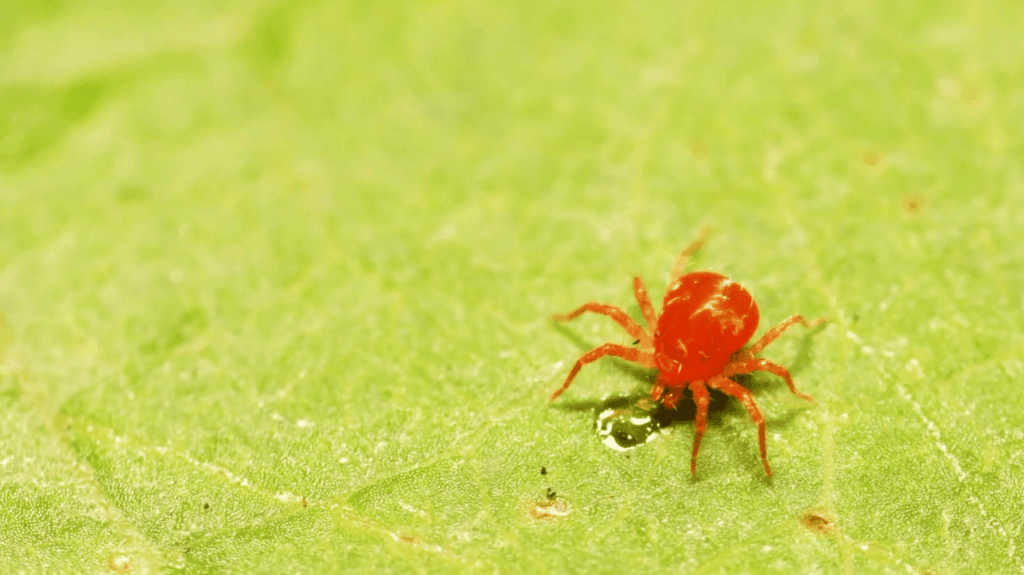
The predators which eat web mites, such as ladybugs, not only find sustenance but also aid in the natural control of spider mite populations, acting as nature’s pest control agents. Their presence ensures a delicate balance within the ecosystem, preventing fire spider mite infestations from spiraling out of control.
Furthermore, the presence of web mites on trees can often be an early warning sign of underlying issues with plant health or environmental conditions. For instance, their infestation might indicate problems such as inadequate watering, nutrient deficiencies, or extreme temperatures. By closely monitoring the presence of spider mites, gardeners are prompted to reassess and improve their plant care practices, ultimately leading to healthier and more resilient vegetation.
In essence, understanding the intricate dynamics involving spider mites showcases their significance beyond their negative reputation. They not only sustain a diverse array of beneficial insects and birds but also serve as valuable indicators, prompting gardeners to be vigilant and proactive in maintaining the overall health of their plants and the surrounding ecosystem.
When They’re Bad
Despite their role in the ecosystem, spider mites can cause severe damage when their population grows out of control. They primarily feed on the undersides of leaves, draining the plant’s essential nutrients and eventually leading to a loss in its vitality. The initial symptoms include speckled yellowing or browning of leaves, which, if left unchecked, can escalate to complete defoliation and plant death. The rapid reproductive rate of spider mites exacerbates the problem, as they can swiftly infest an entire garden or greenhouse, causing significant loss. Additionally, cobweb mite contamination is often resistant to traditional pesticides, making them a difficult pest to eradicate. It is, therefore, crucial to act promptly at the first signs of an infestation to prevent the spread to other plants.
Where & When You’ll Find Them
Spider mites are found worldwide, but they are especially prevalent in dry and dusty conditions. They favor indoor environments like greenhouses where temperatures remain consistent and there’s a lack of natural predators. Outdoors, they are typically found in gardens and farms, particularly on the undersides of leaves where they can feed undisturbed. Spider mites are not seasonally restricted; however, they thrive in hot, dry weather and their populations can explode during these periods. Conversely, during cold or rainy seasons, their activity decreases but does not altogether cease. Early detection is key, so regular plant inspections, particularly in favorable conditions, are essential for prevention and control.
How They Affect Your Flowers
Web mites have a profoundly damaging impact on plants, with effects that can be seen both at a cellular level and in the overall health and appearance of the plant. While feeding, cobweb mites pierce the plant cells on the undersides of leaves, draining the essential nutrients and causing visible damage in the form of speckling or stippling. Over time, this constant feeding can lead to complete discoloration and loss of foliage from the tree. The heavy feeding by a large mite population can also cause the general condition of plant growth to deteriorate, leading to stunted growth, reduced productivity, and in severe cases, plant death. In addition to direct physical harm, a spider mite attack can render crops more prone to susceptibility to other pests and diseases, as the plant’s natural defenses are compromised. Moreover, strain from an insect pest infestation can decrease a plant’s hardiness, making it less capable of surviving tough environmental conditions.
Detecting web mite injury
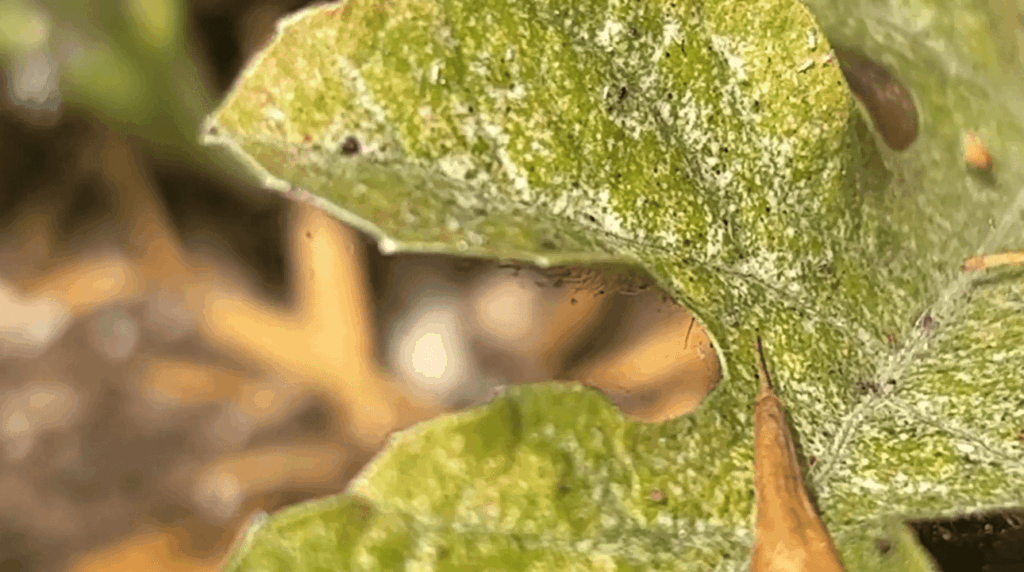
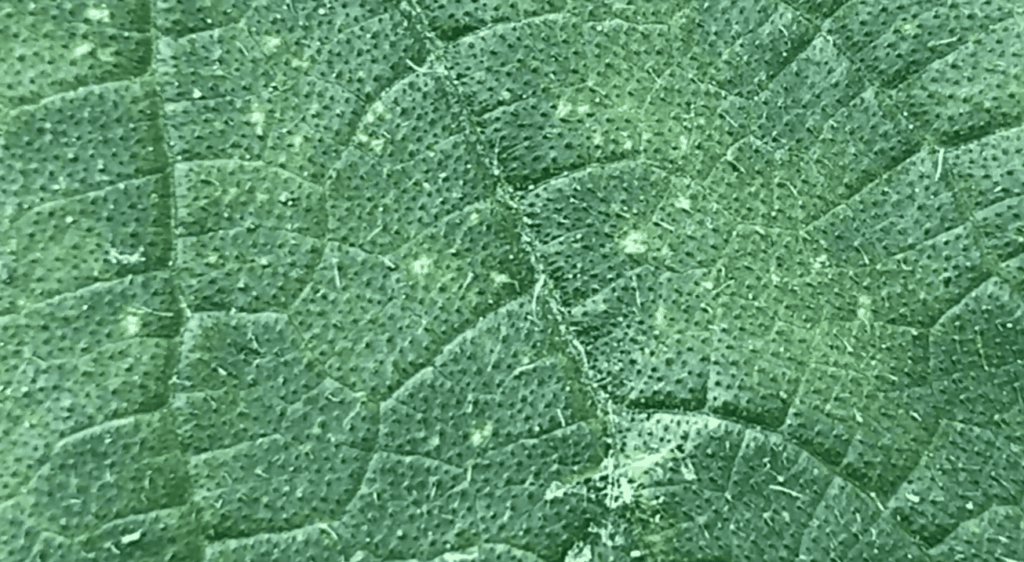
Recognizing symptoms of spider mite attack is an essential step in pest management. The first tell-tale sign of an infestation is typically the appearance of tiny, light-colored specks on the leaves of the plant, a characteristic called crackling. As the mites continue to feed, these discolored spots may spread, causing the leaves to turn entirely yellow or bronze. In severe cases, the leaves may eventually dry out and fall off the plant.
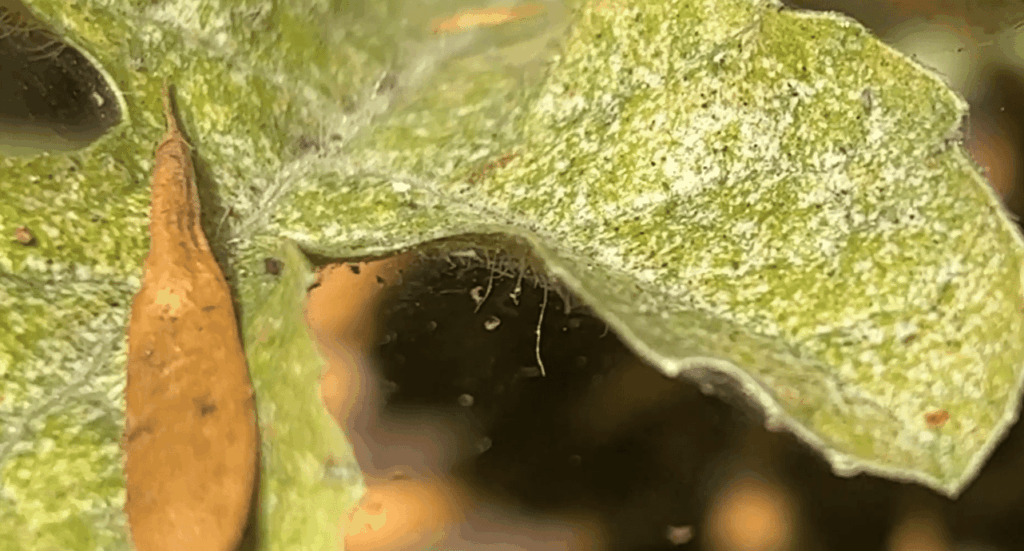
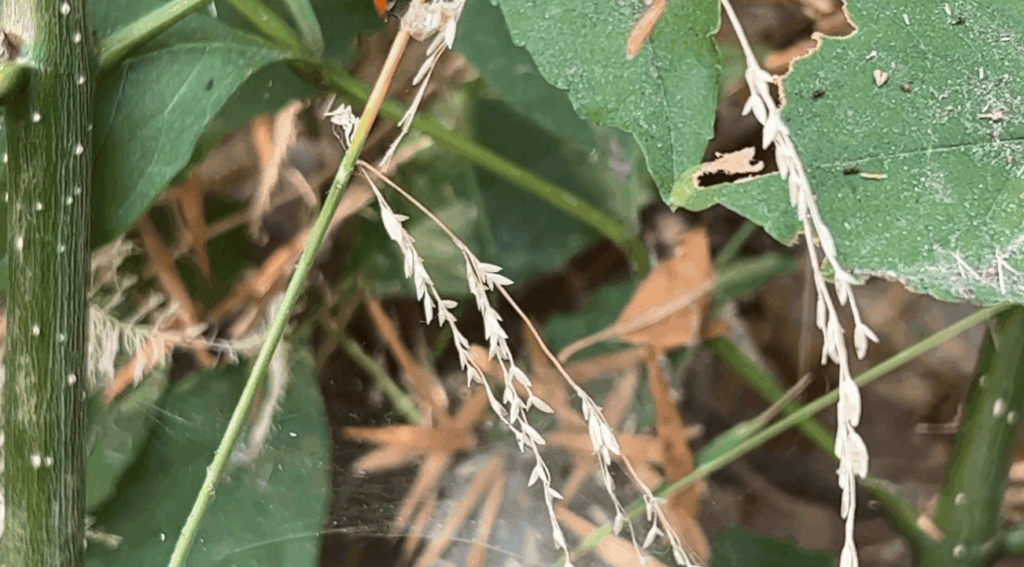
Looking closely at the underside of the leaves, you might notice tiny spider mites and perhaps their webbing. Spider mites often create a protective webbing over the infested areas of the plant, which can give the leaves a silvery sheen. This webbing also serves as a mode of transportation for the mites, aiding in their spread to other plants.
If you suspect an infestation but cannot see the mites or their webbing, try shaking a leaf over a piece of white paper. The mites, which may appear as tiny moving specks, will fall onto the paper and can be more easily seen.
Monitoring your plants regularly for these signs of damage can help you spot an infestation in its early stages, increasing the chances of successfully managing the problem and preventing the spread of spider mites to other plants.
How To Deal With Spider Mites
Effectively dealing with spider mites involves a multi-pronged approach that includes prevention, early detection, natural control methods, and targeted treatments.
Prevention begins with maintaining the overall health of your plants, as strong, healthy plants are less likely to be severely affected by a mite infestation. This includes providing optimal watering, light and nutrient levels based on the specific needs of each plant. Controlling the dust in and around your garden or greenhouse can also help, as mites are attracted to dusty conditions.
Early detection plays a crucial role in managing spider mites. Regularly inspect your plants for signs of mite damage, like stippling or yellowing leaves, and take action at the first sign of infestation.
For natural control methods, consider introducing beneficial insects like ladybugs, predatory mites, and lacewings into your garden or greenhouse. These predators can help keep spider mite populations in check.
If an infestation does occur, targeted treatments can be used. This can include rinsing the plants with a strong stream of water to dislodge mites or applying insecticidal soaps or oils that are specifically designed to control mites. In severe cases, you may need to consider using a miticide. Always follow the manufacturer’s instructions when using these products.
Remember, eradicating spider mites completely is unrealistic and unnecessary. The goal is to manage their population to a level where they no longer cause significant damage, so maintaining a balance in the ecosystem is key.
Can Spider Mites Come Out of Nowhere?
Spider mites might seem to appear out of nowhere, but the reality is that they have usually been present in the environment in smaller, less noticeable numbers. Spider mites are incredibly small and easy to overlook when their populations are low, and their rapid reproduction rate can lead to a sudden visible infestation. They are often transported into new areas through wind, animals, or by hitching a ride on clothing or plants brought into the area. Additionally, mites can become dormant in unfavorable conditions, only to re-emerge when conditions improve. Thus, while it may seem like spider mites appear out of nowhere, they typically arise from pre-existing populations or are introduced from outside sources. Regular monitoring and early intervention are crucial in preventing these sudden outbreaks.

Do Spider Mites Go Away on Their Own?
While it may seem tempting to leave a spider mite infestation untreated under the assumption that they might disappear on their own, this is rarely the case. Spider mites are extremely resilient creatures with a rapid reproduction rate. In favourable conditions, their population can explode in a very short period, causing substantial damage to your plants. Furthermore, spider mites are capable of entering a dormant state in unfavourable conditions, only to re-emerge and resume their damaging activity when conditions become suitable again. Therefore, active intervention is crucial to manage a spider mite infestation. Ignoring the problem in the hope that it will resolve itself can lead to devastating consequences for your plants.
How Quickly Do Spider Mites Spread?
Spider mites can spread rapidly under favorable conditions. Their reproduction cycle is incredibly fast, with a female spider mite able to lay hundreds of eggs in her two to four-week lifespan. Once laid, these eggs can hatch in as little as three days, with the emerging mites reaching reproductive maturity within a week. This means that a single mite can lead to an infestation of thousands within a month. The speed at which spider mites spread is also facilitated by their ability to travel on wind currents, and on animals or humans who come into contact with infested plants. The combination of their fast reproduction cycle and ability to travel easily means that a small, unnoticed population can quickly become a full-blown infestation. This is why regular plant inspections and early intervention are key to managing spider mite populations effectively.
Can a Plant Recover From Spider Mites?
Yes, plants have the ability to recover from a spider mite infestation, but it’s important to understand that the recovery process can be gradual and requires consistent care and monitoring. Once the mites have been controlled or eliminated, it becomes crucial to provide the plant with optimal conditions for recovery. This involves ensuring proper watering, adequate lighting, and supplying the necessary nutrients.
In addition to these measures, removing severely damaged leaves can aid in the plant’s recovery by allowing it to redirect its energy towards new growth. However, it’s important to exercise caution when removing leaves and only do so when absolutely necessary.
It’s worth noting that in cases of severe infestation, some plants may struggle to fully recover. The extent of the damage caused by spider mites can vary, and certain plants may have a more difficult time bouncing back. This highlights the significance of prevention and early detection of spider mites as the most effective means of safeguarding your plants.
By implementing proactive measures, diligently caring for your plants, and promptly addressing any signs of infestation, you can increase the likelihood of successful recovery and minimize the impact of spider mites on your plant’s well-being.
FAQ
How do you prevent spider mites from spreading to other plants?
Preventing spider mites from spreading to other plants requires meticulous care and vigilance. Here are some key strategies:
- Isolate Infested Plants: If you identify a plant with a spider mite infestation, immediately isolate it from your other plants to prevent the mites from migrating.
- Regular Inspection: Inspect your plants regularly for signs of infestation. Early detection is crucial in preventing the spread of spider mites.
- Proper Hygiene: Always wash your hands and tools before moving from one plant to another. Spider mites can easily hitch a ride on your hands or tools and infect other plants.
- Use Natural Predators: Introduce natural predators like ladybugs, lacewings, or predatory mites that can help maintain a balance and keep the spider mite population in check.
- Avoid Over-Fertilization: Over-fertilizing your plants can lead to rapid spider mite reproduction. Maintain a balanced fertilizer regimen.
- Control Dust: Spider mites thrive in dusty conditions. Regularly clean the area around your plants to discourage mite infestations.
- Optimal Plant Health: Healthy plants are more likely to resist and recover from an infestation. Ensure you are providing optimal watering, light, and nutrient levels.
Remember that complete eradication of spider mites is not the objective. The goal is to manage their population to a level where they do not pose a significant threat to your plants.
How fast do spider mites spread from plant to plant?
The speed at which spider mites spread from one plant to another is determined by several factors, including the stage of their life cycle, environmental conditions, and proximity of the plants. Under favorable conditions, a spider mite can move from one plant to another within a matter of hours. This rapid movement is facilitated by their ability to hitch a ride on animals, humans, or even the wind. It’s also important to note that spider mites can reproduce very quickly, with a female laying hundreds of eggs in her lifetime. These eggs can hatch in just a few days, creating a new generation of mites ready to infest other plants. Therefore, the combination of their high mobility and rapid reproduction rate can result in a severe infestation spreading across multiple plants in a relatively short period. Given this, it’s critical to inspect your plants regularly and take immediate action if you identify any signs of a spider mite presence.
Can spider mites live on clothes?
Spider mites are tiny creatures with an impressive ability to travel, and they can indeed latch onto clothes. Although they don’t naturally inhabit clothing, spider mites can use garments as a short-term mode of transportation to move from one plant to another. This is especially true if you’re working in an infested garden and then move to a different area without changing your clothes or washing them thoroughly. However, it’s important to note that clothing is not a suitable habitat for spider mites. They won’t live on clothes for an extended period and cannot reproduce there. Spider mites require plants to feed on, reproduce, and establish a population. Nevertheless, the possibility of mites on clothes underscores the importance of good hygiene practices, such as changing and washing clothes, when you have handled infested plants.
Can spider mites live in your bed?
Contrary to some assumptions, spider mites, also known as Tetranychidae, are not known to live in beds or establish populations in indoor environments without plants. These tiny pests, measuring only about 0.5 millimeters in size, are highly specialized plant feeders. They require plant matter to feed, reproduce, and subsequently establish an infestation.
Spider mites are not equipped to survive for extended periods without access to plants. Although they can be inadvertently transported on clothes or pets and may end up in various locations, including beds, they cannot thrive or reproduce without a suitable plant host. Therefore, if you happen to find a spider mite in your bed after coming into contact with infested plants, it is likely just a transient visitor rather than a permanent resident.
However, it is always prudent to take preventive measures. Washing bed linens regularly and vacuuming the area can help reduce the chance of incidental spider mite transfer. This is especially important if you have houseplants that could potentially be infested. By maintaining a clean environment, you not only minimize the risk of spider mites but also promote overall cleanliness and wellbeing.
Can spider mites live in human hair?
Spider mites, scientifically known as Tetranychus urticae, are tiny arachnids that belong to the family Tetranychidae. While these minuscule creatures are notorious as plant pests, it is important to note that they do not inhabit human hair. Spider mites have specialized mouthparts adapted for piercing plant cells in order to feed on the sap. Their life cycle, reproduction, and survival are intricately linked to plant matter.
Although spider mites can be easily transported, including on the human body, they lack the necessary adaptations to thrive on humans or reside within human hair. Their primary habitat and source of sustenance are plants, where they can cause significant damage if left unchecked. Without access to plant matter, spider mites are unlikely to survive for extended periods.
If you happen to come into contact with infested plants and discover a spider mite on your body, it is most likely an accidental transfer and not indicative of a personal infestation. Nevertheless, it is advisable to practice good personal hygiene by thoroughly washing your hair and body. This precautionary measure can help mitigate any potential accidental transfer of spider mites and promote overall well-being.
Can spider mites get on humans?
Yes, spider mites can certainly get on humans, but only as a means of transportation. These tiny creatures can hitch a ride on humans, especially if you’re working in a garden or area that’s infested with spider mites. However, humans are not a suitable habitat for spider mites, as they require plant matter to feed and reproduce. While they may end up on your skin or clothing, they won’t stay there for an extended period.
It’s important to note that spider mites pose no health risk to humans. Their presence on your body would be incidental and not indicative of a personal infestation. They are primarily interested in feasting on the sap of plants and causing damage to foliage. While they may crawl on you, their goal is to find their preferred habitat.
To prevent the inadvertent transportation of spider mites, it’s recommended to wash your clothes and body thoroughly after working with infested plants. This will help ensure that any spider mites that may have hitched a ride are removed, minimizing the risk of spreading them to other plants or areas. Taking these precautions can help maintain the health and vitality of your plants while keeping spider mites at bay.