
Aphids, also commonly referred to as plant lice, are small sap-sucking insects that are known to attack a wide range of plants. These tiny creatures play a significant role in many ecosystems, serving as a food source for various insects and birds. However, their impact on the plant world can be harmful, as they feed on the juices of plants, potentially leading to significant plant damage. One of the commonest misconceptions about aphids is that they live in the soil, and in particular, whether they inhabit the ground? Let’s delve into the fascinating life of aphids to find the answer.
What are Root Aphids?
Root Aphids are a particular type of aphid that sets them apart from their counterparts. Unlike the majority of aphids that live above ground and feed on plant leaves and stems, Root Aphids thrive below the soil surface. They target the roots of plants, feeding on their sap and often causing significant harm. These aphids are usually white or brown and are often mistaken for other soil pests due to their subterranean lifestyle. Their presence can be quite challenging to detect until the plant shows signs of distress, making them a particularly insidious threat to both indoor and outdoor flowers.
Does Aphid Survive in the Garden?
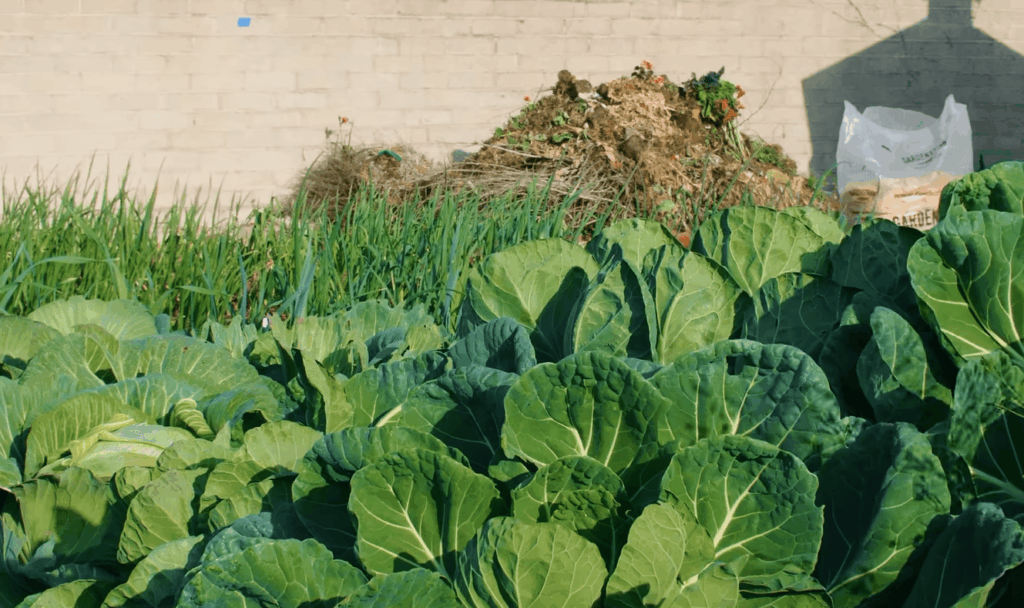
Of course, some types of aphids, called root rot, can and have lived in the ground. Roof aphids live in the garden soil around the roots of plants and feed on their sap, unlike most other aphid species which live above ground. This makes them a particularly hidden but harmful threat to plant health. However, not all aphids live or can survive in soil. Many species prefer the green parts of plants, where they feed on sap from stems and leaves. Therefore, while aphids are commonly found in gardens and on plants, only a specific subset actually make their home within the soil.
What Makes Root Aphids Unique
Root aphids represent a unique category within the diverse aphid family. In contrast to other aphids that make their homes on the leaves and stems of plants, root aphids reside in the soil, surviving by feeding off plant root juice. This underground lifestyle lends them an invisible cloak, making their detection significantly challenging until noticeable damage appears on the plants. Furthermore, their coloration, typically white or brown, is markedly different from the vivid green of many other aphid species, often leading to their misidentification as other soil pests. Lastly, while most aphids are deterred by insecticides sprayed on the plant’s outer parts, root aphids require different management strategies due to their subterranean habitat, making them a uniquely complex pest to control.
Injuries Due to Root Aphids
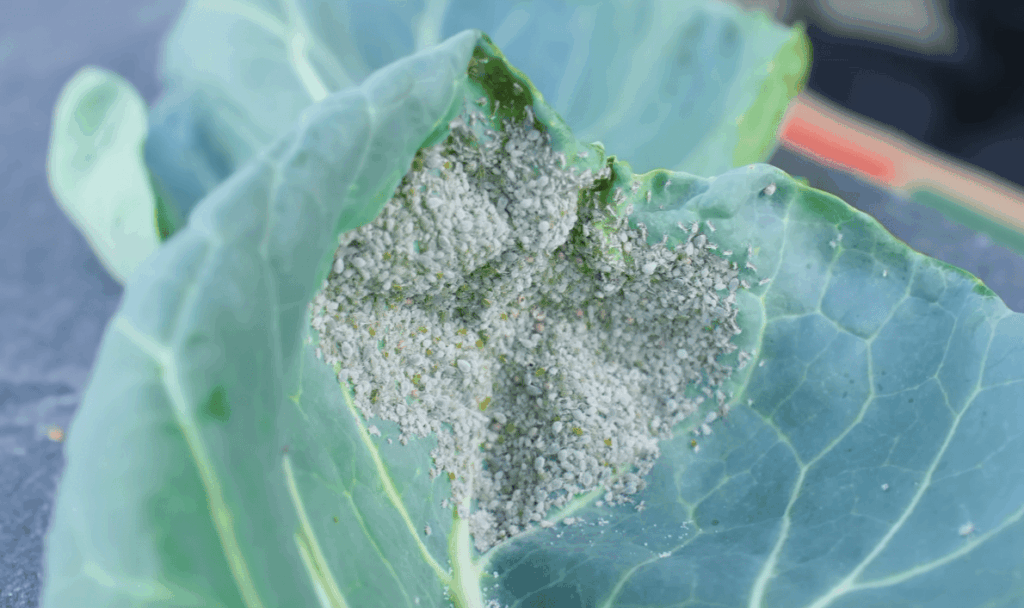
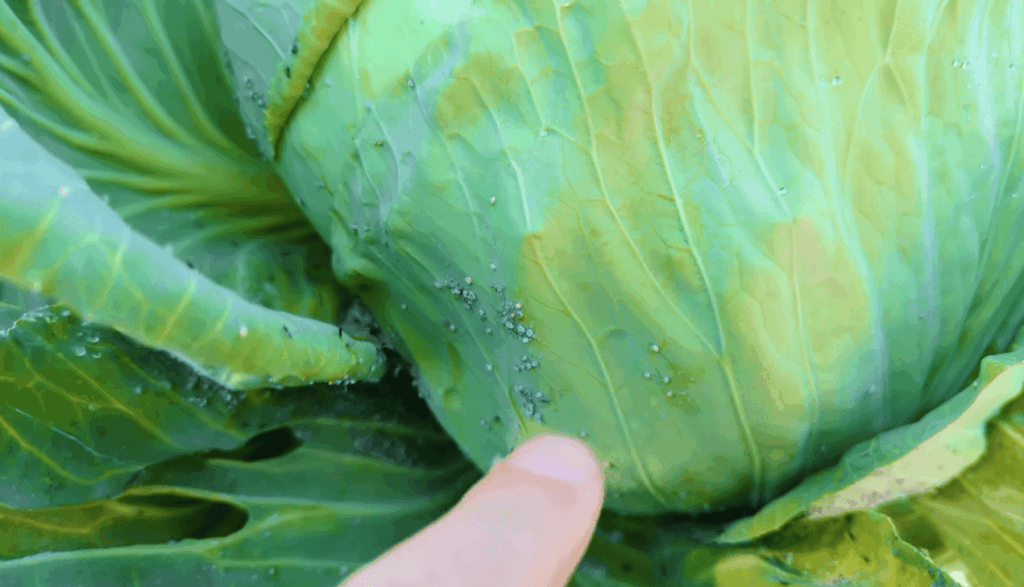
Root aphids pose a substantial threat to plant health due to their stealthy feeding habits below the soil surface. As they suck juice from tree roots, they interfere with the ability of the flower to consume water and nutrients, leading to stunted growth, yellowing or wilting leaves, and in severe cases, plant death. Additionally, honeydew secreted by root aphids can encourage the development of smut growth, further hindering the plant’s photosynthesis process. In indoor settings, root aphids can be especially destructive, spreading rapidly from plant to plant with no natural predators to control their numbers. An insect infestation may go largely unnoticed unless considerable damage is done, making early detection and control measures critical in managing root aphids and preserving plant health.
Monitoring Root Aphids
How to Avoid Root Aphids on Indoor Plants
Preventing root aphids on indoor plants starts with vigilant inspection and careful plant handling. When purchasing new plants, inspect the roots thoroughly, and if possible, quarantine them for a few weeks before introducing them to your other plants. This can help prevent unintentional spread of root aphids.
Practicing good plant hygiene is crucial. Remove dead leaves and debris from pots, which can serve as hiding spots for aphids. Also, avoid overwatering, as excessively damp soil can attract aphids. Using sterilized potting soil and pots can also reduce the risk of infestation.
For indoor plants, biological control may not be feasible, but you can use either soap or oil of neem as an insecticide as a preventative measure. Regularly drenching the soil with these can help keep root aphids at bay.
Remember, a healthy plant often has a better chance of surviving an aphid infestation. Make sure the trees have the proper light and some water, and nutrients to ensure they stay strong and healthy. Regularly inspect the leaves and the soil to catch any early symptoms of contamination. Root crop aphids can be hard to spot, but with these measures, you can protect your indoor plants from these stealthy pests.
How to Avoid Root Aphids on Outdoor Plants
Preventing root aphids in outdoor plants involves a mixture of proactive monitoring, good garden hygiene, and the use of biological controls. Regularly inspecting the health and vigor of your plants can lead to early detection of aphids. Keep an eye out for telltale signs such as yellowing or wilting leaves, stunted growth, and a sticky residue on the soil surface.
Good garden hygiene is also essential in preventing root aphid infestations. Regularly remove plant debris and fallen leaves from the soil surface, which can serve as hiding spots or food sources for aphids. Consider using a mulch layer on the soil surface around your plants, which can deter aphids and also help maintain soil health.
Biological control methods are effective against root aphids and more feasible in outdoor settings. Beneficial insects like ladybugs, lacewings, and parasitic wasps can naturally control aphid populations. You can attract these beneficial insects to your garden by planting a variety of flowering plants, or they can be purchased and released in your garden.
Finally, maintain healthy soil conditions to naturally suppress aphids. This includes regular watering without causing excessive dampness, maintaining a balanced soil pH, and fostering the presence of beneficial soil microbes. Consider using organic matter like compost to enrich your soil, which promotes plant health and can deter aphids. If an infestation does occur, early intervention is key. Applying insecticidal soaps or neem oil directly to the soil can help eliminate aphids and save your plants from substantial harm.
Varieties of Root Aphids
Rose Root Aphids
Rose root aphids, scientifically known as Macrosiphum rosae, are a specific variety of root aphids which primarily infest roses. However, they can also attack other flowering plants and shrubs. These aphids are particularly damaging as they suck the sap from the roots of the plants, leading to decreased vigor, yellowing of leaves and stunted growth. They are pink to green in color and can multiply quickly, often going unnoticed until the plant shows severe signs of damage. Controlling rose root aphids requires a multi-faceted approach, similar to other root aphids. Regular inspection of soil and plant health, combined with proactive measures such as use of insecticidal soaps or neem oil, and fostering a healthy soil environment can help manage and eliminate these pests. Biological control with beneficial insects may also prove beneficial in outdoor settings.
Lettuce Root Aphids
Lettuce root aphids, scientifically known as Pemphigus bursarius, are a type of root aphid that predominantly affects lettuce and other leafy vegetables. These aphids are often cream-colored or white and can severely impact the health and productivity of lettuce plants. They feed on the sap of the plant roots, leading to wilting, yellowing of leaves, and overall diminished plant vigor. They can go unnoticed until the infestation is advanced due to their subterranean lifestyle. To manage lettuce root aphids, regular soil and plant health inspection is crucial. Treatments include the use of insecticidal soaps or neem oil, as well as fostering a healthy soil environment with balanced pH and beneficial microbes. In outdoor gardens, biological control using beneficial insects is also an effective strategy. Remember, early detection is key to saving your lettuce crops from these damaging pests.
Grape Phylloxera
Grape Phylloxera, scientifically known as Daktulosphaira vitifoliae, is a species of root aphid that poses a significant threat to vineyards worldwide. Native to eastern North America, this pest has a complex life cycle and primarily feeds on the roots of grapevines. The feeding activity of grape phylloxera causes galls or swellings on the roots, resulting in impaired nutrient and water uptake, gradually leading to the decline and eventual death of the vine. The aphids are microscopic and yellowish-brown, making them hard to spot with the naked eye. Management of grape phylloxera involves a combination of strategies such as the use of resistant rootstocks, good vineyard hygiene, and in some cases, chemical control methods. Regular monitoring of vine health and soil conditions, along with early detection, are crucial in mitigating the impact of these destructive pests.
Auricula Root Aphids
Auricula root aphids, scientifically known as Protaphis middletonii, are a species of root aphid that primarily attack auriculas and primulas. Similar to other root aphids, they extract the sap from the roots, leading to a range of symptoms including wilting, yellowing of leaves, and stunted growth. Auricula root aphids are typically translucent, making them difficult to spot. Often, the most evident indication of their presence is the decline in plant health. To manage these pests, regular inspection of the plant and surrounding soil is essential. Measures such as the use of insecticidal soaps or neem oil can be effective in control. Biological control methods, including the introduction of beneficial insects, can also be helpful, especially in outdoor settings. Promoting healthy soil conditions, with balanced pH and beneficial microbes, is another key strategy for protection against these aphids. Early detection and immediate action can prevent severe damage to your precious auriculas and primulas.
Where Do Root Aphid Eggs Overwinter?
Root aphids lay their eggs in the soil around the base of the host plants, where they are protected from harsh weather conditions and can easily access their food source in the spring. These eggs overwinter in the soil, surviving through the colder months when most plants have died off or gone dormant. The soil provides adequate insulation, keeping the eggs from freezing and allowing the aphid population to rebound once favorable conditions return. It’s important to note that not all species of root aphids reproduce in the same way. Some species are capable of asexual reproduction, producing live offspring without the need for egg-laying. Regardless, the common survival strategy among root aphids is to remain close to or within the root zone of host plants, ensuring a readily available food source when new growth begins.
FAQ
What do aphids look like in soil?
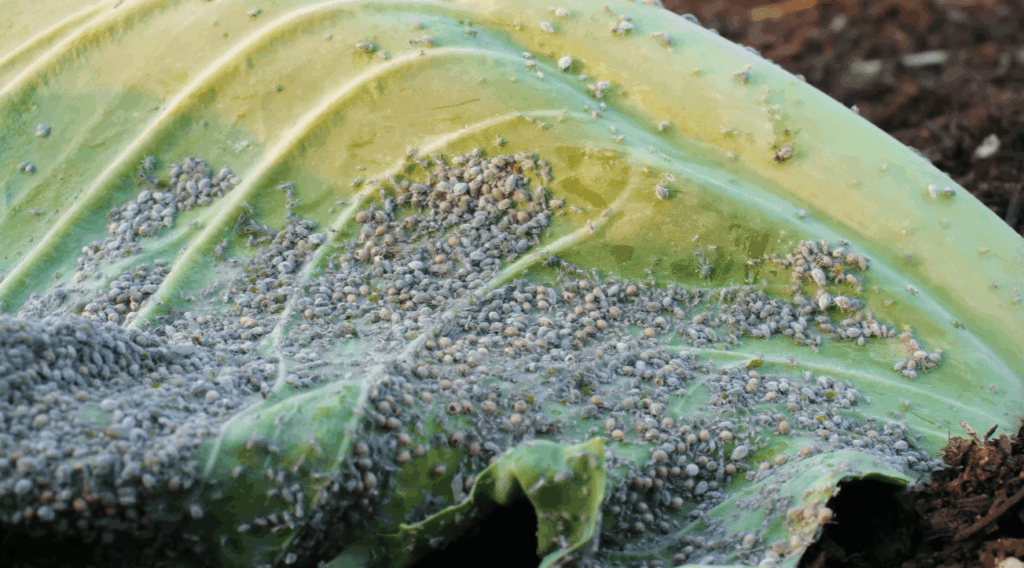
Aphids in soil, particularly root aphids, are an often overlooked threat due to their subterranean lifestyle. They are typically small, round or oval insects, ranging in size from 1 to 3 millimeters. While many species above ground are green or black, root aphids tend to be white or a pale cream color, although some can be pink to green. They have a soft body texture and are usually covered in a waxy or woolly coating, which gives them a somewhat shiny or fluffy appearance. Aphids have pear-shaped bodies with long antennae and a pair of tube-like structures, known as cornicles, protruding from their rear end. Due to their small size and coloration, they can be difficult to spot in the soil. Often, they are only discovered when a plant is uprooted or shows signs of damage.
What kills aphids?
The control and elimination of aphids encompass several methods. Chemical control, such as the use of insecticidal soaps, neem oil, or systemic insecticides, is often effective in managing aphid infestations. However, these should be used judiciously to prevent harm to beneficial insects. Biological control is another option, with predators such as ladybugs, lacewings, and parasitic wasps known to be effective against aphids. Introducing these beneficial insects into your garden can help control aphid populations in a natural way. Cultural control methods, including regular plant inspection, proper watering, and balanced fertilization, can also keep aphid populations in check by promoting overall plant health. It’s pertinent to note that healthy plants are less likely to attract aphids. Lastly, certain plant species are known to repel aphids. These include catnip, garlic, chives, and other strong-scented plants. Planting them around your garden can act as a natural deterrent. Remember, successful aphid control often entails a combination of these methods.
Why does soapy water kill aphids?
Soapy water is a traditional and eco-friendly method used to dispatch aphids in both garden and indoor settings. The effectiveness of soapy water in killing aphids lies in the properties of the soap itself. Aphids, like many insects, breathe through tiny openings in their bodies called spiracles. When sprayed with soapy water, the soap molecules disrupt the surface tension of the water, allowing it to invade the aphid’s respiratory system and block these spiracles, effectively suffocating the pest. Additionally, the soap can dissolve the waxy protective coating on the aphid’s exoskeleton, causing dehydration and death. This method is a cost-efficient and environmentally friendly way of dealing with aphid infestations, but it does need to be applied directly and regularly to be effective.
Do aphids lay eggs on plants?
Yes, certain species of aphids do lay eggs on plants, particularly during the colder months as part of their overwintering strategy. The female aphids lay their eggs on the host plant, typically in crevices or under the bark, to protect them from the harsh winter conditions. The eggs remain dormant throughout the cold season and hatch into nymphs with the arrival of spring. This cycle allows aphids to survive through unfavorable conditions and maintain a continuous presence in the ecosystem. However, it’s important to note that not all aphid species reproduce in this way. Many aphids, especially those found in warmer climates, reproduce asexually throughout the year, producing live offspring without the need for egg-laying. This rapid reproduction allows aphid populations to grow exponentially under favorable conditions.
Will aphids go away on their own?
Aphids, like many pests, will not necessarily go away on their own. Their population growth can be swift due to their ability to reproduce both sexually and asexually, allowing them to rapidly colonize plants under favorable conditions. However, their populations can sometimes decrease due to various natural factors such as the introduction of predatory insects (like ladybugs, lacewings, and parasitic wasps) and harsh weather conditions. Despite these occasional decreases, it’s crucial not to rely solely on nature to control aphid infestations. Implementing a comprehensive pest management plan, encompassing regular plant inspections, usage of natural deterrents, introduction of beneficial insects, and judicious use of chemical treatments, will be far more effective in controlling and eradicating aphids.
What do aphids hate the most?
Aphids have a few natural aversions which can be used to deter them from your garden. Firstly, they dislike certain plants, especially those with strong scents. Planting garlic, onions, chives, or catnip can help repel aphids. Secondly, they are adversarial towards various insects known as “beneficial bugs”. These include ladybugs, lacewings, and parasitic wasps, all of which are natural predators of aphids. Encouraging these insects in your garden can help keep aphid populations in check. Moreover, aphids are not fond of cold water. Regularly spraying your plants with a cold stream of water can help knock off and deter aphids. Lastly, aphids hate soapy water. A soap-water mixture not only kills aphids but also removes the honeydew they secrete, which can attract other pests.