
A naturally occurring soft, flinty deposit formation, diatomaceous earth has gained popularity among gardeners for its excellent pest management capability by dehydrating insects. However, as eco-conscious gardeners, we must consider its impact on beneficial organisms like earthworms. In this comprehensive document, we will delve into the effects of diatomaceous earth on earthworms, exploring the potential threats it may pose to these essential soil cultivators. By examining the intricate relationship between diatomaceous earth and earthworms, we aim to provide a deeper understanding of the ecological implications and guide gardeners in making informed decisions regarding its use in pest management strategies.
What is Diatomaceous Earth?
Diatomaceous earth (DE) is a natural bedrock derived from the petrified fossils of tiny marine life known as algae. The bones of these prehistoric creatures are composed of a mineral known as silica. Over time, dietary algae buildup in the deposits of the sediments of rivers, creeks, lakes, and seas. Nowadays, we mine these sediments to create a powerhouse product that is known as fossil fuel earth. It is a pure white to almost snow-white dust that is harmless and has a fine, flour-like consistency. In horticulture, it is valued for its capacity to fight diseases and pests due to its unique properties, where it damages the exoskeleton of insects leading to their dehydration and eventual death. However, its impact on other forms of garden life, particularly beneficial ones like earthworms, is a subject of much debate and study.
How Does DE Work to Kill Insects?
Diatomaceous Earth functions as an effective insecticide due to its material and technical characteristics. On a microscopic level, DE particles are sharp and jagged, similar to broken glass. When insects come into contact with DE, these sharp particles puncture the protective outer layer of the insects’ exoskeleton. The silica in DE then absorbs the moisture from the bodies of these insects, leading to dehydration, which ultimately results in their death. Because DE’s mechanism of action is physical rather than chemical, insects cannot develop resistance to it. Therefore, even over extended periods of use, DE remains a potent tool for pest control.
Which Kind of Insect Pests Can Diatomaceous Earth Destroy?
Peat soil – a universal pest killer solution due to its broad-spectrum efficacy against various types of insects. It is particularly effective against hard-bodied insects. Some of the most common pests that DE can kill include aphids, beetles, cockroaches, fleas, mites, and slugs. It also eliminates spider mites, earwigs, silverfish, bedbugs, and ants. DE is specifically effective against insects with a waxy or oily outer layer, as the powder can adhere to their bodies more readily. However, it is essential to note that DE is not selective and can also affect beneficial insects like bees and ladybugs if they have come into direct contact with the material. Therefore, it is critical to apply DE selectively, targeting areas predominantly infested by pest insects.
Is DE Safe for Humans, or to Use Around Pets?
Peat soil, if utilized correctly and responsibly, is generally safe for humans and pets. The type of DE used for pest control is usually of the ‘food-grade’ variety, which is recognized as healthy for consumption by the Food and Drug Administration of the United States. However, care needs to be taken during application as the fine particles of DE can be easily inhaled. This can cause mild irritation to the nose and respiratory tract. Therefore, it is recommended to use a face shield when using DE. Similarly, while DE is non-toxic to pets, care should be taken to ensure that they do not inhale the dust or get it into their eyes, as it can cause irritation. For use on pets to control fleas, it should be lightly dusted and thoroughly worked into the pet’s coat, taking care to avoid the nose, eyes, and mouth. Despite its general safety, individuals or pets with respiratory issues should avoid exposure to DE dust. Professional advice from a veterinarian should be sought before using DE as a flea treatment for pets. With these precautions in mind, DE can be a safe, natural option for pest control in a home or garden environment.
How to Apply Diatomaceous Earth (DE) in the Garden
Dusting with DE
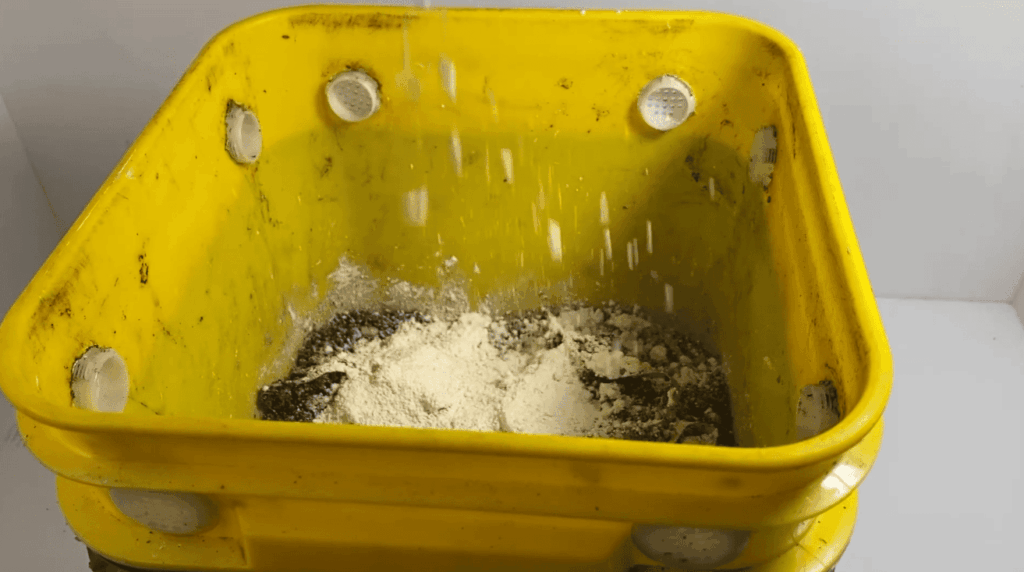
Dusting your garden with Diatomaceous Earth (DE) is a simple yet an excellent pest control technique. To dust with DE, you’ll need a dust applicator which can be easily found online or at your local gardening store. Fill the applicator with food-grade DE powder, taking care not to overfill or pack the powder too tightly. Once filled, gently shake or squeeze the applicator to release a fine cloud of DE dust. Aim for a light coating over the soil and plants, focusing primarily on areas where you’ve noticed pest activity. You can also dust the DE around the perimeter of your garden to create a barrier against incoming pests. As DE works mechanically, not chemically, pests can’t build resistance to it over time, making it a long-term solution. Remember, DE is effective only when dry, so avoid watering your garden immediately after application. Reapply after it rains or after regular watering. Always wear a mask while dusting to avoid inhaling the DE particles.
DE and Moisture
The effectiveness of Diatomaceous Earth (DE) is significantly influenced by moisture. DE works best in dry conditions, as its ability to absorb lipids from the waxy outer layer of insects and cause dehydration is critical to its insecticidal action. In humid conditions or when it rains, DE can absorb moisture from the environment, which can lessen its effectiveness. This is because when DE gets wet, it clumps together, losing its dust-like properties and, consequently, its ability to adhere to the insects’ bodies. Therefore, it’s crucial to reapply DE after rain or heavy dew. For indoor use, consider the surrounding humidity levels. Areas with high humidity might require more frequent applications for DE to maintain its effectiveness. In summary, while DE is a potent tool for natural pest control, understanding and managing its interaction with moisture is key to maximising its efficacy.
How to Create a Diatomaceous Earth Spray
Creating a Diatomaceous Earth (DE) spray is a practical and efficient way to apply this natural pest control agent, especially on larger surfaces or for indoor use. Here is a simple step-by-step guide:
- Prepare Your Materials: You’ll need food-grade DE, water, a spray bottle, and a mask for your safety during the process.
- Mix DE with Water: Start by taking 1-2 tablespoons of DE and mix it in a quart of water. Stir the mixture thoroughly until the DE is well dispersed.
- Fill the Spray Bottle: Once the solution is ready, carefully pour it into your spray bottle. If you have a larger garden, you may want to use a garden sprayer for greater reach.
- Apply the DE Spray: Spray the mixture directly onto the plants and soil where you’ve noticed pest activity. Ensure a fine mist coats the surface of the leaves and stems evenly. Remember that DE is only effective when it’s dry, so the layer should not be too thick to prevent it from drying.
- Let it Dry: After application, allow the spray to dry. DE kills insects by dehydrating them, which can only occur when the DE is dry.
- Reapply as Needed: Similar to dusting with DE, you’ll need to reapply the spray after any rainfall or heavy dew.
Remember to always use a mask during the process to avoid inhaling DE, and ensure the mixture is out of reach from children and pets.
Is Diatomaceous Earth safe for beneficial insects?
While Diatomaceous Earth (DE) is an effective natural pesticide, it is non-selective, meaning it can impact all insects that come into contact with it, including beneficial ones like bees, ladybugs, and earthworms. This is because DE works by physically damaging the exoskeleton of the insect, causing it to dehydrate and die. However, there are ways to mitigate this impact. For one, you can apply DE in the early morning or late evening when beneficial insects like bees are less active. Additionally, try to target the application of DE, focusing it on the pests and areas where you’ve noticed substantial pest activity, rather than widespread dusting. By taking these measures, you can continue to leverage the benefits of DE for pest control while minimizing its impact on the beneficial insects that play an important role in your garden ecosystem.
Will diatomaceous earth kill my red wigglers?
Yes, Diatomaceous Earth (DE) can have detrimental effects on red wigglers, a type of earthworm commonly used for vermicomposting, if they come into direct contact with it. DE’s insecticidal action is non-selective; it works by damaging the exoskeleton and causing dehydration in any small invertebrates it contacts, including beneficial organisms like earthworms. It is advisable to avoid using DE in areas where your red wigglers are active or in your worm composting bins to ensure their safety. If you need to use DE for pest control in your garden, consider applying it in specific, targeted areas where you’re experiencing pest issues, rather than a blanket application over the entire garden. This way, you can continue to benefit from the pest control properties of DE while minimizing potential harm to your beneficial earthworm population.
FAQ
Can I put diatomaceous earth in my worm farm?
While Diatomaceous Earth (DE) is widely recognized as a highly effective agent against various pests, it is crucial to exercise caution when considering its use in a worm farm. The unique mode of action of DE involves causing damage to the exoskeleton of small invertebrates and inducing dehydration, which can potentially harm earthworms if they come into direct contact with it. This includes species commonly employed for vermicomposting, such as red wigglers.
Considering the significant role of earthworms in the overall health and productivity of a worm farm, it is paramount to prioritize their well-being. Therefore, if pest control measures become necessary within your worm farm, it is highly recommended to explore alternative options that are specifically safe for earthworms. Alternatively, if the use of DE is deemed necessary, it should be applied in an extremely targeted and limited manner to minimize any potential contact with the worms.
Always remember, the health and safety of your earthworm population should be the utmost priority in maintaining a thriving and successful worm farm. By employing careful and informed practices, you can ensure the long-term sustainability and productivity of your worm farm while safeguarding the well-being of these beneficial creatures.
How long does it take for diatomaceous earth to kill worms?
Diatomaceous Earth’s (DE) mode of operation is physical rather than chemical, making it an environmentally friendly option. It does not have an immediate toxic effect on earthworms, as its action is based on its abrasive properties. When DE comes into direct contact with earthworms, it damages their exoskeleton and causes dehydration, ultimately leading to their demise. The exact duration it takes for DE to effectively eliminate worms may vary, but it typically begins to work within 48 to 72 hours of contact. However, it’s important to consider that the time frame can be influenced by factors such as the size of the worm and the amount of DE it has encountered.
While DE can be effective for pest control, it is crucial to note that its use may not be desirable if you’re aiming to protect beneficial earthworms in your garden or worm farm. To mitigate any potential harm to these helpful creatures, it is recommended to apply DE in targeted areas far away from where your beneficial earthworms are actively present. By implementing this preventive measure, you can effectively address the issue at hand without causing unintended harm to other beneficial organisms in your ecosystem.
What chemical will kill earthworms?
There are several chemicals that have been found to be toxic to earthworms, although their use is not recommended for several reasons. One of the primary reasons is the crucial role earthworms play in soil health and fertility. Earthworms are responsible for important processes such as nutrient cycling and soil aeration, which are vital for plant growth.
Pesticides commonly used in gardens and farms, such as organophosphates and carbamates, are known to be toxic to earthworms. These chemicals can have detrimental effects on the nervous system of earthworms, ultimately leading to their death. Additionally, glyphosate, a common ingredient in weed killers, can also be harmful to earthworms, especially when used in high concentrations.
However, the indiscriminate use of these chemicals can result in numerous environmental problems. These include the contamination of soil and water, harm to non-target organisms, and disruption of ecosystems. It is crucial to minimize the use of these chemicals and, where possible, replace them with more sustainable and eco-friendly pest control methods.
By adopting alternative approaches to pest control, we can protect the well-being of earthworms and maintain a healthy and balanced ecosystem. This includes embracing practices such as integrated pest management, crop rotation, and the use of biopesticides that target specific pests while minimizing harm to beneficial organisms like earthworms.
How do you get rid of earthworms permanently?
Firstly, it’s important to remember that earthworms are integral to the health of soil and should typically not be eliminated from a garden environment. They improve soil structure, aid in decomposition, and help cycle nutrients. However, if an overpopulation of earthworms is causing problems in your lawn or garden, there are several steps you can take.
Dry Out the Soil: Earthworms require a moist environment to survive. Prolonged periods of dry soil conditions can discourage earthworm activity and may cause them to go deeper into the soil or die off.
Alter the Soil pH: Earthworms prefer neutral to slightly acidic soil conditions. By making the soil more alkaline or more acidic, the living conditions for earthworms can become unfavorable. This can be achieved by adding specific types of lime (to raise pH) or sulphur (to lower pH).
Use Natural Predators: Encouraging the presence of natural predators, such as birds, can help keep earthworm populations in check.
Physical Removal: In smaller areas or where earthworm numbers are particularly high, manual removal may be an option. This can be labor-intensive and time-consuming, but it is an option that does not involve the use of chemicals.
Avoid Chemicals: While chemicals can be used to control earthworm populations, they are generally not recommended due to their potential harm to other beneficial organisms and the wider environment.
In conclusion, while there are methods to control earthworm populations, permanent removal is generally not advised due to their beneficial impact on soil health and fertility. If earthworms are causing significant issues, it may be worth consulting with a lawn care professional to seek out a balanced solution.
What do worms hate the most?
Worms, particularly earthworms, have a few known aversions. Predominantly, they dislike dry and overly acidic or alkaline conditions. Worms require moist environments to breathe through their skin, so overly dry soil can be detrimental to their survival. Similarly, extreme pH levels can make the soil inhospitable for worms. They prefer neutral to slightly acidic conditions, and drastic deviations from this can be harmful.
In terms of food, worms are not fond of heavily processed or oily foods, citrus fruits, or foods high in salt or spice. These items can disrupt the worm’s digestive process or even prove toxic.
Worms also display an aversion to certain natural substances, such as the tannins found in oak leaves or the oils in mustard seeds. And of course, worms will avoid areas treated with chemical pesticides or herbicides due to the toxic effects of these substances.
Lastly, areas of high foot or vehicle traffic can be detrimental to worm populations, as the soil can become compacted, making it difficult for worms to navigate through it.
In summary, while worms are hardy creatures that can adapt to a range of conditions, ensuring a hospitable environment can help maintain a healthy worm population.
What is the best killer for earthworms?
While there are a number of substances and methods that can kill earthworms, it’s important to reiterate that their extermination should not be the go-to solution as they play a vital role in soil health and fertility. If, however, control of an earthworm population is absolutely necessary, some methods and substances have proven more effective than others.
Chemically, pesticides such as organophosphates and carbamates are known to be lethal to earthworms. Glyphosate, a common weed killer, also affects earthworms negatively, especially in high concentrations. Physical methods such as drying out the soil or altering the soil pH can also be successful in killing or discouraging earthworms.
However, the use of chemicals is generally not recommended because of their potential to harm non-target organisms and disrupt ecosystems. Non-chemical methods, while less harmful to the environment, may not provide complete or long-term control and may also negatively impact soil health.
In summary, the best method or substance for killing earthworms often depends on the specific situation and should always be considered with caution due to the potential negative effects on the environment and earthworms’ positive contributions to soil health.