
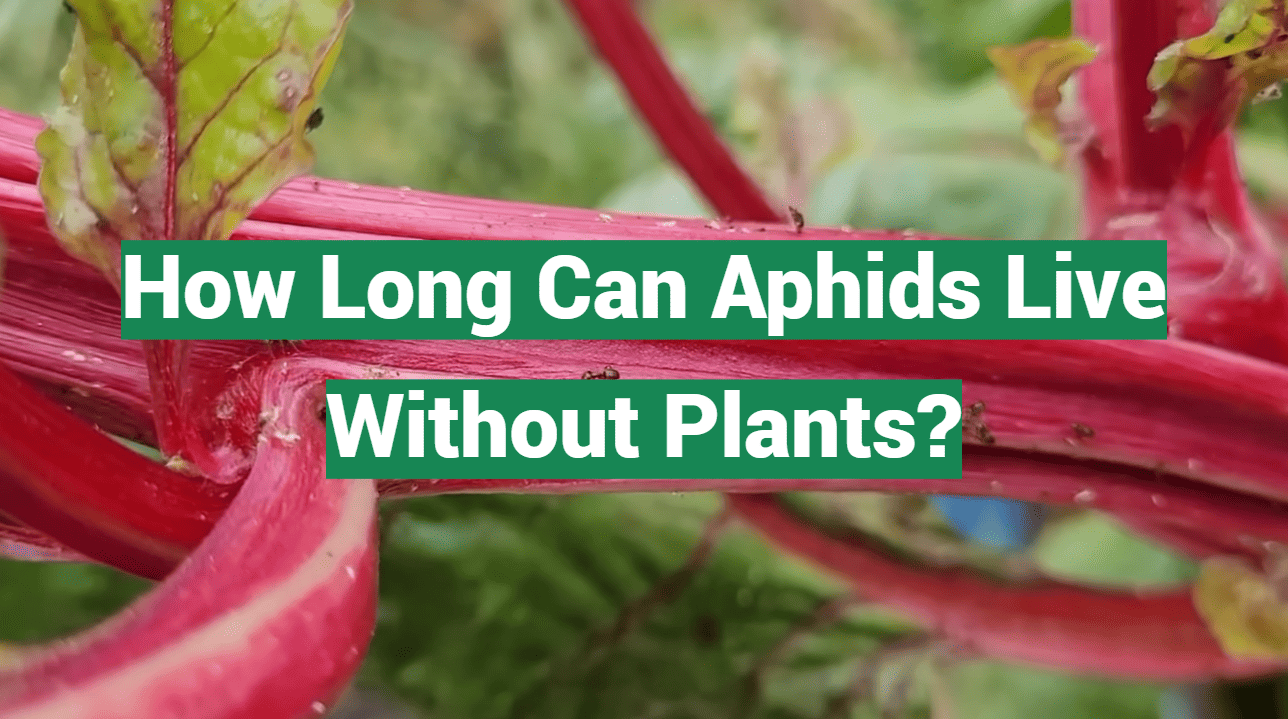
Aphids, also known as plant lice, are tiny insects that may inflict considerable harm on crops. Such pests eat plant sap, primarily targeting the stems, leaves, and fruits of plants. The aphid’s survival and longevity are intrinsically linked to its host plant, a relationship that raises a pertinent question:how much longer can aphids stay alive without plants? This article delves into the lifespan of aphids in the absence of their primary food source – plants.
Why Are Aphids On My Plants?
Aphids Feed On Plant Sap
Aphids have a specialized feeding mechanism that allows them to consume the sap of plants. Equipped with sharp, needle-like mouthparts called ‘stylets,’ they pierce the plant tissues to reach the phloem – the part of the plant that transports nutrients. The sap, a sugar-rich liquid, serves not only as nourishment but also as a hydration source for aphids. It’s this dependency on plant sap that makes the absence of plants an existential threat to aphids. However, they can survive without plants for a short period, depending on factors such as species, age, and environmental conditions.
Aphids Utilize Plants for Defense and Cover
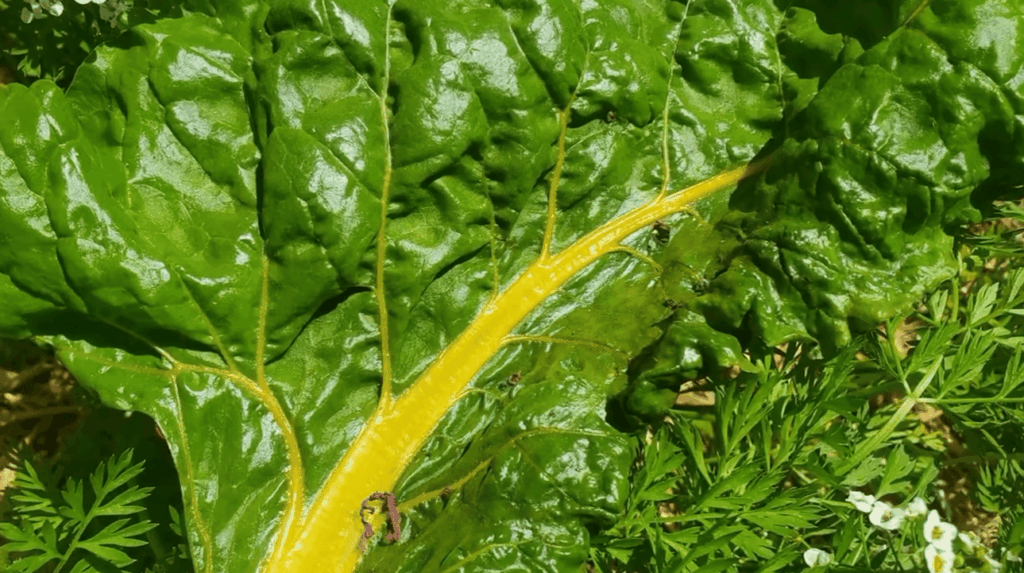
Just as plants provide aphids with sustenance, they also offer them shelter and protection. Aphids typically congregate on the undersides of leaves or in the crevices of stems and branches, taking advantage of these natural shelters to hide from raptors and severe environmental elements. Some species even induce the formation of galls, abnormal plant growths, to create a safe and nutrient-rich environment for their colonies. These protective plant structures serve as both a refuge and a nursery, where aphids can reproduce in safety. Without access to this protective environment, aphids are exposed to predators, environmental stressors, and a reduced reproductive rate, further reducing their survivability without plants.
Aphids May Be On The Plant Cause They Have Moved On
Aphids also have a fascinating life cycle that involves migration, which might explain their presence on your plants. During spring and early summer, aphids breed rapidly, producing many generations that feed and grow on the same host plants. However, as the plant’s nutritional quality declines or the aphid stock gets too big, winged aphids known as ‘alates’ are produced. These winged aphids can transfer to new home flowers, carrying the infestation with them. This migration allows aphids to exploit fresh resources while avoiding overcrowding and competition. Conditions like wind and weather play a crucial role in their migration. For instance, a strong breeze can carry these lightweight insects over long distances, even several kilometers, facilitating their spread to new plants and areas. So, if you notice aphids on your plants, they might have just migrated from another infested plant nearby or even from far away.
Aphids Numbers Are Highest In Spring
Aphids reproduce at a remarkable rate, which means that their population can dramatically increase in a short period. This is particularly true during the spring, the peak breeding season for aphids. Energized by the warmer temperature and the abundance of young, tender plant growth, aphids kick into reproductive overdrive. Female aphids, in particular, engage in a form of reproduction known as parthenogenesis, where they give birth to live young without the need for mating. This, coupled with the fact that the newborn aphids are already mature females that can themselves reproduce almost immediately, results in an exponential increase in aphid numbers. Furthermore, the lack of harsh winter conditions means fewer environmental threats to aphid survival, further bolstering their population. Therefore, it’s common to observe the highest infestations of aphids on plants during the spring season.
How much time does an aphid live outside of plants?
Aphids should eat every day
Aphids are voracious feeders, requiring a constant influx of plant sap to meet their energy and hydration needs. Unlike many other insects that can survive several days to weeks without feeding, aphids need to feed every day. This is primarily because the plant sap they consume is rich in sugars but low in essential amino acids. To obtain enough of these necessary nutrients, aphids consume large quantities of sap and filter out the sugars, excreting the excess in the form of a sticky liquid named “honeydew”. This daily feeding also ensures they have the energy required for rapid reproduction, one of their key survival strategies. Consequently, a day without feeding can seriously impact their energy levels, reproductive capability, and ultimately, their survival. Therefore, in the absence of their host trees, the life expectancy of aphids is significantly reduced.
The majority of aphids will not stay away without plants longer even for a couple of days
Indeed, the life of an aphid without a host plant is short-lived, often not exceeding a few days. Their dependency on the plant’s sap for nourishment and the plant’s structure for shelter and protection leaves them highly vulnerable when left without access to these resources. While certain factors such as their life stage, species, and the prevailing environmental conditions can influence their survival time, it is clear that the lack of plants results in a dramatic reduction in their lifespan. In the absence of their primary food source, the aphids starve, their energy levels drop, and their reproductive capacity diminishes. Concurrently, without the safety of plant structures, they become easy prey for predators and are at the mercy of harsh weather conditions. In essence, plants play a pivotal role in aphids’ survival, growth, and reproduction. Hence, without them, most aphids are unlikely to survive more than a few days.
Aphids Need Plants To Reproduce
Aphids’ reproductive cycle is inextricably linked to plants. Unlike many insects that lay eggs, aphids give birth to live young, a process known as viviparity. This live birth approach, combined with their capacity for rapid, asexual reproduction, allows aphids to quickly colonize a host plant. This process begins when a female aphid lands on a suitable host plant. She then probes the plant with her sharp, needle-like mouthparts to access the sap, which forms their primary food source. Once settled, the aphid starts to reproduce, giving birth to live nymphs that immediately begin feeding on the plant. The nymphs mature rapidly and can start reproducing within a week. This reproductive strategy, predicated on the availability of host plants, is a key factor in the aphids’ ability to rapidly infest plants. Thus, without access to plants, aphids’ reproductive cycle comes to a halt, effectively reducing their numbers and eventually leading to their demise.
Plants Shelter Aphid Eggs Throughout Winter
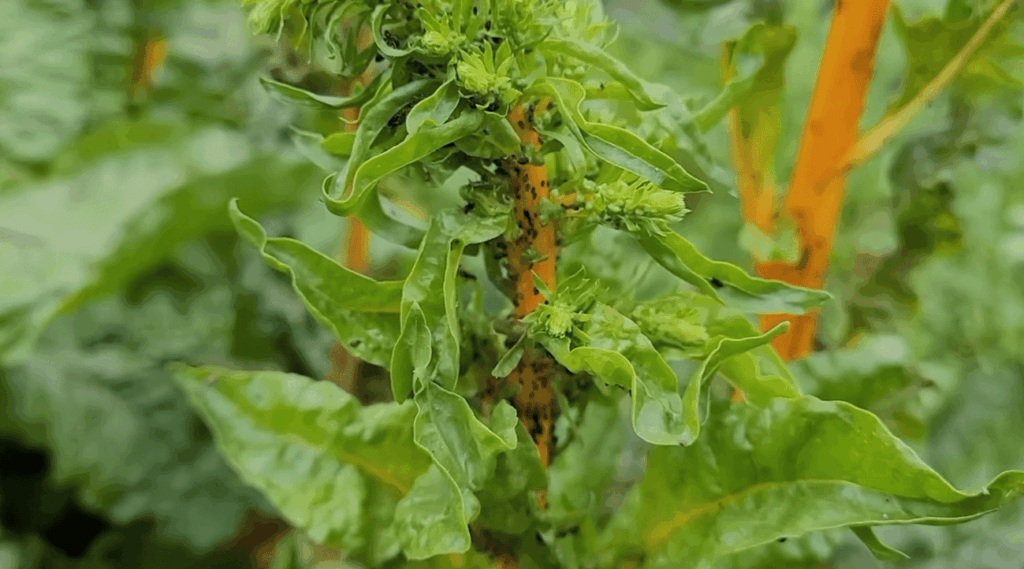
During the colder months, when most vegetation enters a state of dormancy, aphids employ a different reproductive strategy to ensure their survival – they lay eggs. In preparation for winter, female aphids produce a generation of both males and females that mate and lay eggs on host plants. These eggs are incredibly resistant and can withstand harsh weather conditions, including freezing temperatures. The host plants provide these eggs with much-needed shelter, protecting them from the elements and predators. The eggs remain dormant throughout winter, attached to the plant’s surface, and hatch when conditions are favorable in the spring, restarting the cycle of rapid population expansion. Thus, even during the inhospitably cold winter months, plants play a pivotal role in facilitating the survival and propagation of aphids.
Best Ways To Remove Aphids If They ARE On Your Plants
Use Your Garden Hose
A garden hose can be a simple yet effective tool for managing aphid infestations. This method involves spraying a strong jet of water directly onto the affected plants to dislodge the aphids. The water pressure should be strong enough to remove the pests but gentle enough not to damage the plant. It’s best to spray in the early morning when aphids are most active, aiming directly at the underside of the leaves where they tend to cluster. Keep in mind that this method may need to be repeated every few days until the infestation is under control. Using your garden hose is an environmentally friendly approach that doesn’t involve any potentially harmful chemicals, making it a good first step in your aphid control efforts. However, if the infestation is severe or persists despite your efforts, you may need to consider other methods.
Encourage Natural Predators
An efficient and eco-friendly approach to aphid control involves leveraging the power of nature by encouraging the presence of aphids’ natural predators in your garden. Ladybugs, lacewings, and hoverflies are among the insects that feed on aphids and can help keep their populations in check. Birds, such as chickadees, titmice, and nuthatches, also prey on aphids and can be attracted to your garden with birdhouses and feeders. Additionally, certain plant species, like dill, yarrow, or fennel, can attract these beneficial insects. Planting these amongst your garden can create a supportive ecosystem that naturally manages aphid populations. However, remember to provide a pesticide-free environment for these predators to thrive. This method, while not providing immediate results, can lead to a long-term, sustainable solution for aphid control.
Release The Lady Beetles
If your garden has been taken over by aphids, releasing lady beetles, also known as ladybugs, can be an effective and eco-friendly solution to controlling these pests. Lady beetles are voracious aphid eaters, with a single lady beetle consuming up to 50 aphids a day! You can purchase lady beetles from a local garden store or online, and release them in your garden. It’s best to release lady beetles during the cool hours of the evening, as they are less likely to fly away. Before releasing, lightly mist your garden with water, as the lady beetles will appreciate the moisture. When releasing, strategically place them near aphid-infested plants so they can immediately start their feast. Remember, lady beetles are beneficial insects, so refrain from using pesticides which can harm them. With lady beetles on your side, you can manage the aphid population effectively while contributing to a balanced ecosystem in your garden.
Lure Aphids Away With Crop Traps
Crop trapping is another sustainable and eco-friendly method of aphid management. This method involves planting certain crops that are particularly attractive to aphids, effectively luring them away from your main plants. Known as ‘trap crops’, these plants act as a decoy, drawing aphids to them and away from your other plants. Crops like nasturtiums, mustard, and cosmos are known to be highly attractive to aphids and can be used as effective trap crops. Once the aphids have infested the trap crops, you can easily remove and dispose of these plants, thereby reducing the aphid population in your garden. This method combines well with the introduction of natural predators, as the trap crops can serve as a concentrated feeding ground. However, care should be taken to ensure that the trap crops are removed before the aphids have a chance to reproduce. This method requires careful monitoring but can be highly effective when implemented correctly.
Destroy Plants After The Growing Season
At the end of the growing season, it is advisable to destroy any remaining plants that are not going to overwinter. This is because aphids can continue to live and reproduce on these plants, providing a ready source of infestation for the next growing season. By removing and destroying these plants, you destroy any aphids that may be hiding on them. This method can be particularly effective for annual plants that have completed their life cycle. Be sure to dispose of the plants properly, preferably by composting or burning, to ensure that any remaining aphids are indeed killed. Remember, the goal is to break the aphid life cycle and reduce their population in the next growing season. Therefore, consistent and proactive management methods are crucial.
FAQ
How quickly do aphids die?
Aphid lifespan and the speed at which they die can vary greatly depending on the species, environmental conditions, and the presence of predators or pests control measures. Generally, under favorable conditions, aphids can live for around 20 to 40 days or more. However, without food or under hostile conditions, aphids can die within a few days. The absence of a host plant, for instance, can lead to rapid death. Similarly, exposure to insecticides or predators can quickly decimate aphid populations. When employing pest control measures, it’s important to note that while adult aphids may die within a short time, their eggs can be more resilient, often requiring consistent management methods to effectively eliminate them from your garden.
Will aphids go away on their own?
While it seems ideal, aphids rarely disappear on their own. Their rapid reproduction rate, ability to survive on a variety of plants, and presence of protective shells around their eggs make them particularly resilient pests. While it’s possible for natural factors, such as predators or harsh weather, to reduce aphid populations, these factors alone often aren’t sufficient to completely eradicate aphids from your garden. Hence, intervention using one or a combination of the methods above is typically needed to control and manage aphid infestations effectively. Additionally, proactive measures, such as regular garden inspection for early signs of infestation, can help ensure that aphid populations are kept under control. Remember, consistent and effective management is the key to a healthy, aphid-free garden.
How long can aphids live?
Managing aphids without harming plants requires a delicate balance. One effective approach is using soapy water – a mixture of mild dish soap and water. The soap dissolves the waxy coating on aphids, causing them to dehydrate and die. Spray the mixture directly onto the aphids, especially the underside of leaves. Neem oil, derived from the neem tree, disrupts aphid life cycles without harming plants or beneficial insects. Diatomaceous earth, a powder made from fossilized marine phytoplankton, can also deter aphids and pests without harming plants. Regularly treat and inspect plants for effective aphid control.
How do you kill aphids but not plants?
Aphids dislike certain smells and tastes, which can be used for pest control. They detest the scent of plants like garlic, mint, and chives. Planting these can deter them. Aphids also dislike hot and spicy substances. Making a homemade pepper spray with hot peppers, water, and dish soap can be effective. Spray this mixture on your plants to repel aphids. Neem oil is another substance they cannot stand. It disrupts their life cycle and deters them due to its bitter taste. Incorporating these into your garden management strategy can help keep it aphid-free.
What do aphids hate the most?
Aphids have a strong aversion to certain smells and tastes, which can be used to our advantage for pest control. Particularly, they detest the strong scent of plants like garlic, mint, and chives. Planting these in your garden can act as a natural deterrent. Similarly, aphids dislike the taste of hot and spicy substances. A homemade pepper spray, made from blending hot peppers with water and a little dish soap, can be an effective repellent. Spray this mixture on your plants to keep aphids at bay. Another substance aphids cannot stand is neem oil, as noted earlier. Not only does neem oil disrupt their life cycle, but it also deters them due to its bitter taste. Incorporating these into your garden management strategy can help keep your garden aphid-free.
How do you kill aphids immediately?
For immediate aphid elimination, a combination of manual removal and using insecticidal soap or neem oil is effective. Start by using a strong jet of water to dislodge aphids from your plants. Wipe aphids off delicate plants with a soft cloth or sponge. Then, treat the plants with insecticidal soap or neem oil to kill aphids on contact. Thoroughly spray the plants, especially the underside of leaves where aphids gather. Repeat every 2-3 days for optimal results. Follow manufacturer’s instructions when using pesticides and consider their impact on beneficial insects.