
Neem oil obtained from the neem wood is a potent natural pesticide that is popular in many gardens due to its effectiveness in eliminating many common pests. However, while a multitude of plants can tolerate and even thrive using neem oil, there are certain plants that don’t respond well to this treatment. The ensuing sections will delve into the specifics of which plants you might want to steer clear of the use of oil of neem to ensure the well-being and longevity of your garden.
What is Neem Oil?
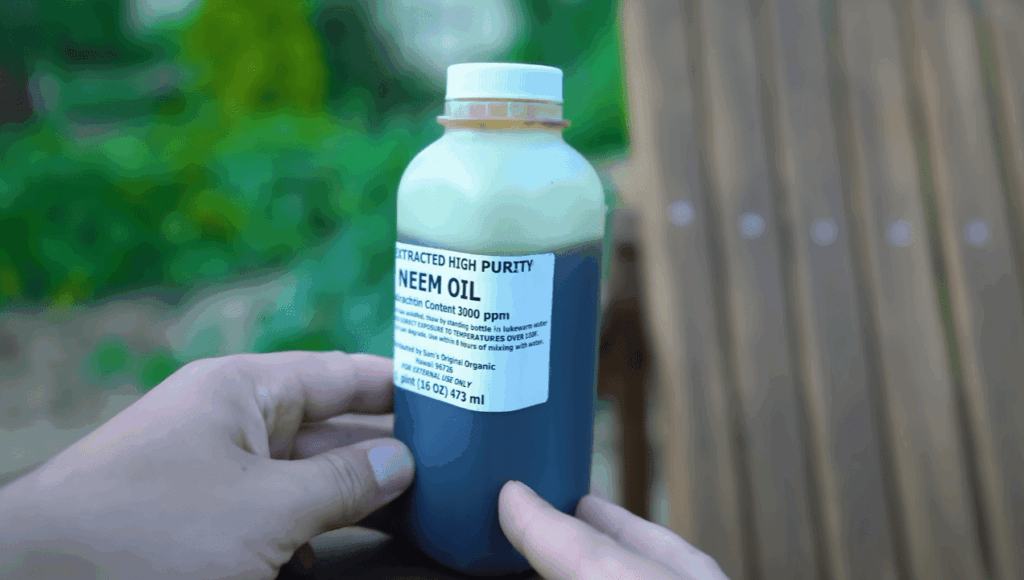
Neem oil is a powerful natural pesticide that has for ages in use. It is derived primarily from the neem tree (Azadirachta indica), which grows on the Indian continent. This biodegradable oil is non-toxic to humans, birds, and certain beneficial insects, making it an environmentally friendly alternative to synthetic pesticides. Rich in fatty acids and other nutrients, neem oil not just works in pest control but also contributes to the overall health of plants by promoting growth and protecting them from diseases. However, despite its myriad benefits, it’s crucial to note that not all plants respond favorably to neem oil.

How Does Neem Oil Work?
Neem oil acts in several ways to prevent diseases and insect damage to plants. The most direct method is by acting as a pest repellent. Neem oil contains compounds known as azadirachtin, which deter pests from feeding on the plant and disrupting their life cycle. On a microscopic level, when pests ingest the azadirachtin, it interferes with their hormonal system, making it hard for them to eat, mate, and lay eggs. This helps curb the pest population on the plants.
In addition to this, neem oil also serves as a fungicide. It can control and eliminate various types of fungi that cause diseases in plants. The oil coats the surface of the plant, creating a barrier that prevents fungal spores from invading and spreading.
Despite its effectiveness, plant enthusiasts must use neem oil judiciously because overuse can lead to plant stress, especially in certain species that are sensitive to this oil.
When to Use Neem Oil on Plants
Neem oil can be applied to plants as a preventive measure for pest control or when a pest infestation has been identified. As a preventive measure, it is best used early in the growing season when pests are less prevalent. This early application can protect plants from pest invasions and fungal diseases, setting them up for a successful growth cycle. When dealing with an active pest infestation, neem oil should be applied immediately to halt and reverse the damage to your plants. It’s crucial to remember that some plants are sensitive to neem oil and may react adversely to it. As such, always conduct a patch test by putting on a little neem oil to a part of the plant and waiting 24-48 hours to check for any adverse reactions. It’s also advisable to not apply oil of neem in extreme temperatures, as this can cause stress to the plants. In general, using the oil in the morning or later in the day when the temperature is cooler can be more helpful for the crop.
What are the Pests That Neem Oil Protects Plants From?
Neem oil is notably effective against a broad spectrum of pests. It is particularly potent against common garden pests such as aphids, mites, scale, and whiteflies. These pests are small in size and can still cause considerable harm to trees by sucking their sap, leading to yellowed leaves and stunted growth.
Moreover, oil of neem is just as good for caterpillars and beetles, which can chew through leaves and stems, causing extensive damage. The azadirachtin present in neem oil disrupt their life cycle and deter these pests from feeding on the plants.
In addition to bugs, neem oil is also beneficial in controlling pests like nematodes, which are microscopic worms living in soil that can damage roots and stunt plant growth. The oil also exhibits potency against a variety of fungal diseases that can harm plants, including black spot, scab, rust, and powdery mildew. By creating a protective barrier on the plant’s surface, neem oil can help keep these destructive pests and diseases at bay.
However, it is essential to remember that while neem oil is a powerful pesticide, non-toxic to useful insects like bees, moths and damselflies that play a crucial role in pollination and pest control.
What Kind of Fungal Diseases Can Neem Oil Kill on Plants?
Neem oil has a broad range of fungicidal properties, making it an effective solution for a variety of fungal diseases that commonly affect plants. A particularly challenging and common issue, powdery mildew, often presents as white or gray mealy patches on the foliage and leaves of plants. Neem oil can aid in helping to manage and eliminate this fungal disease by creating a protective coating that prevents the spores from spreading.
Another prevalent fungal disease, black spot, characterized by black spots on foliage and resulting in premature leaf drop, can also be effectively controlled with neem oil applications. The oil’s fungicidal properties inhibit the growth and spread of the disease, ensuring healthier plants.
Additionally, neem oil proves beneficial in the treatment of plant rust, a disease that causes rust-colored spots on leaves and stems, and scab, a fungus that leads to crusty patches on fruits. By applying neem oil, gardeners can protect their plants from these diseases and maintain the health of their garden. However, gardeners must remember that although neem oil is effective against these diseases, certain plants can react adversely to its application. Therefore, it’s always best to carry out a small patch test first.
Is Neem Oil Safe for Beneficial Insects?
One of the significant advantages of using neem oil in your garden is its safety for beneficial insects. While it acts as an effective deterrent and pesticide against harmful pests, it does not harm insects that are beneficial to your garden’s ecosystem. Bees, butterflies, and ladybugs, all vital for pollination and natural pest control, are not affected by neem oil. This is primarily because neem oil works on a systemic level – it needs to be ingested to have an effect. Beneficial insects, which don’t typically feed on plant leaves, are therefore safe. Even predatory insects like ladybugs, which help control pest populations, aren’t harmed by neem oil because they consume the pests directly rather than the oil itself. So, gardeners can use neem oil without worrying about disrupting the ecological balance of their garden. However, caution is advised during application to avoid direct contact with these beneficial insects as much as possible.
Can You Use Neem Oil as A Soil Drench?
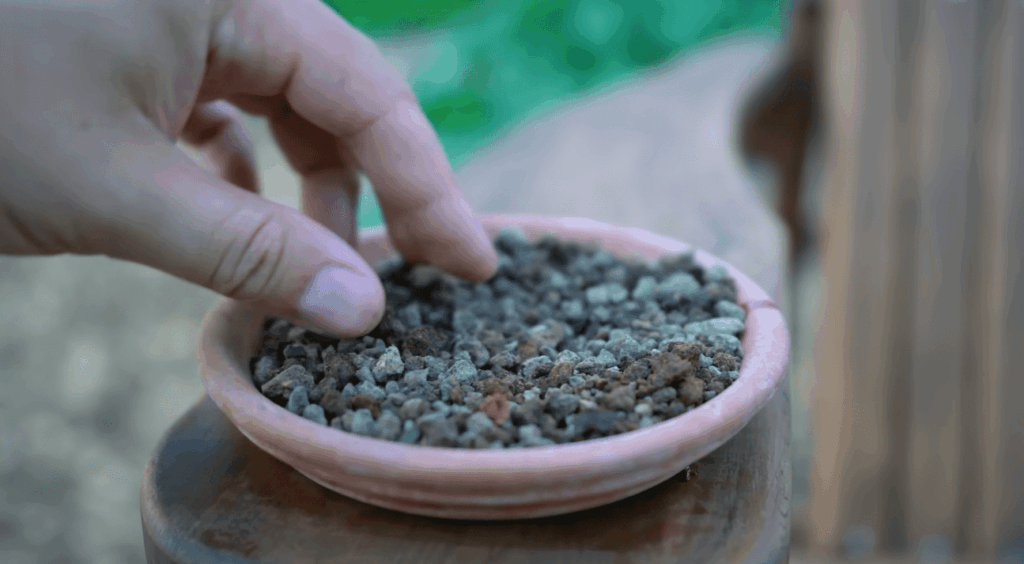
Yes, neem oil can indeed be used as a soil drench. A soil drench with neem oil is an effective method to combat soil-dwelling pests and diseases. When used as a soil drench, the neem oil is worked into the soil around the plant, which gets absorbed by the roots and then up into the entire plant system. This systemic effect helps in managing pests like root-knot nematodes, grubs, and other soil-dwelling pests.
Furthermore, using neem oil as a soil drench also helps reduce the spread of soil-borne diseases, making it an excellent preventive measure against diseases like root rot, wilts, and blights. It’s important to remember, though, that a soil drench with neem oil may not be suitable for all plants, particularly those known to be sensitive to it. Therefore, it’s crucial to conduct a small test first before treating the whole garden or plant. As with foliar application, avoid using neem oil as a soil drench during periods of extreme temperatures to minimize plant stress.
How To Use Neem Oil for Plants?
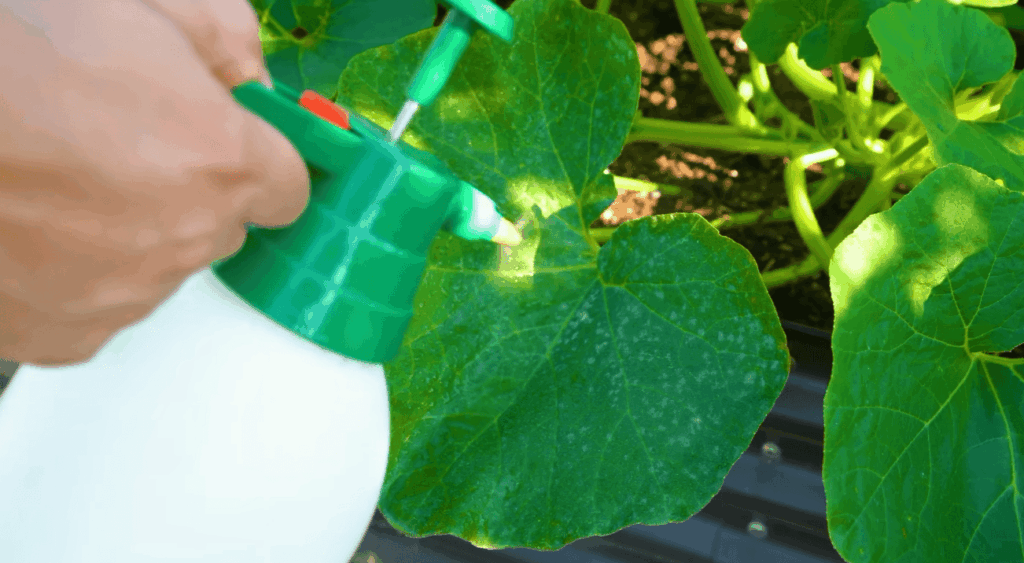
To effectively use neem oil on plants, create a neem oil spray. Mix 2 teaspoons of neem oil and 1 teaspoon of liquid dish soap with a liter of warm water. This helps evenly disperse the oil. Pour the solution into a spray bottle.
Before spraying the entire plant, conduct a patch test to ensure no adverse reactions. Spray a small, inconspicuous area and wait 24-48 hours for any negative effects. If there are no issues, continue spraying the rest of the plant.
Apply the neem oil solution in the morning or evening to avoid leaf burn from direct sunlight. Ensure all parts of the plant, including the undersides of leaves, are sprayed to target pests.
For prevention, spray neem oil once every two weeks. If your garden is infested, spray every few days until the issue is resolved.
Remember, neem oil takes time to work and disrupts pests rather than instantly exterminating them. Visible results may take days to weeks. Avoid spraying on flowering plants to protect beneficial insects like bees.
What Plants Should You Not Use Neem Oil On?
While neem oil offers a plethora of benefits for many plants, there are some exceptions that gardeners should be aware of. Certain plants are known to be sensitive to neem oil, reacting adversely when it is applied.
For instance, some succulents and cacti, due to their unique makeup, may react negatively to neem oil. Their protective waxy coating can be damaged by the oil, leading to browning or wilting.
Broad-leafed plants like impatiens, fuchsia, hibiscus, and some types of ferns have also been known to react poorly to neem oil. The oil can cause leaf yellowing, spotting, or wilting in these species.
Lastly, some edible plants such as tomatoes and peppers may exhibit sensitivity as well. Though neem oil can be beneficial for controlling pests on these plants, excessive or improper application may lead to leaf curling or yellowing.
Thus, it’s always advisable to perform a patch test before applying neem oil extensively on any plant. This will help you identify potential reactions and prevent widespread damage to your garden.
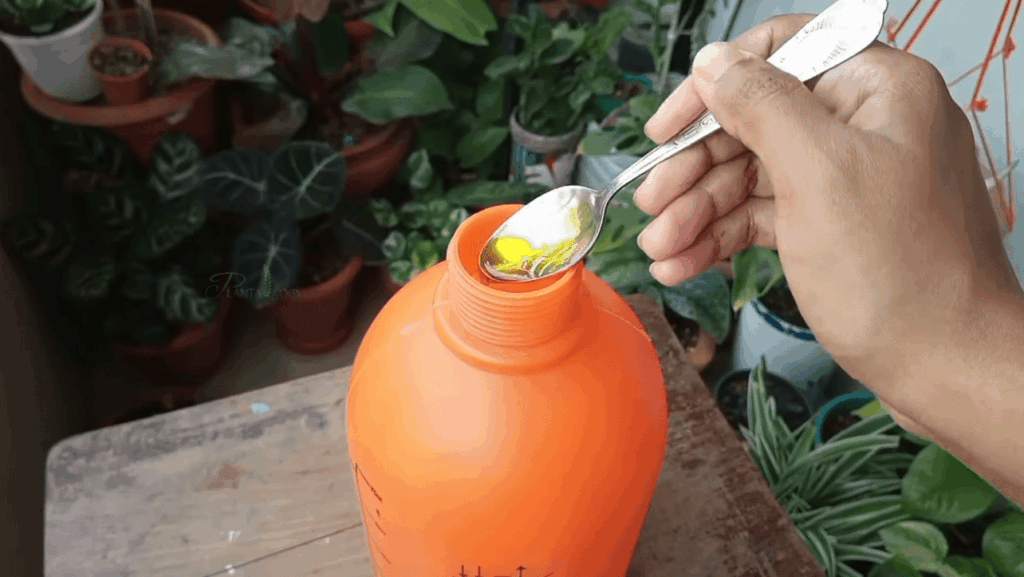
How to Mix Neem Oil Spray for Plants
To create your own neem oil spray for plants, follow this simple recipe. Start with a high-quality, pure, cold-pressed neem oil. For every quart of warm water, add one teaspoon of neem oil and a third of a teaspoon of mild liquid dish soap.
The dish soap acts as an emulsifier, helping to disperse the oil in the water. Please make sure to avoid detergents or products that contain degreasers, bleach, or artificial fragrances as these may harm your plants.
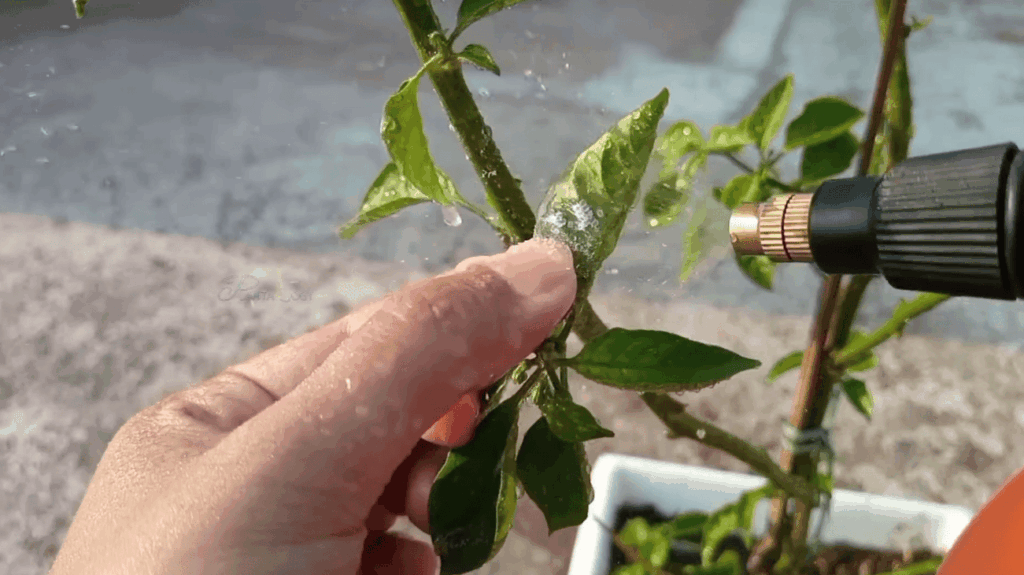
Blend the ingredients in a spray bottle and shake it thoroughly to mix. Before applying to your plants, do a patch test to ensure they can tolerate the solution without damaging the leaves. Spray the mixture in the early morning or late evening to avoid sunburn, and focus on both upper and lower leaf surfaces for maximum pest control. Remember, neem oil spray works best as a preventative measure, applied before an infestation occurs. If your plants are already infested, you may need to reapply the solution every couple of days until the pests are gone. Always re-shake the spray before use, as the oil and water can separate.
FAQ
Is neem oil safe on all plants?
It’s important to note that while neem oil is generally safe for use on a wide variety of plants, it’s not universally appropriate for all plant species. A select group of plants, including certain succulents, cacti, and broad-leaf plants, may exhibit sensitivity to neem oil, which can result in leaf damage such as yellowing, spotting, or wilting. Several edible plants like tomatoes and peppers may also react negatively to excessive or improperly applied neem oil. Therefore, it’s crucial to conduct a patch test before applying neem oil extensively, even if the plant species is typically tolerant to neem oil. Always follow usage instructions carefully, and when in doubt, consult with a gardening expert or a horticulturist to ensure safe usage.
What bugs don’t like neem oil?
Neem oil is a highly effective natural pesticide that many types of insects find unpleasant or harmful, making it a popular choice among gardeners. Aphids, whiteflies, spider mites, caterpillars, beetles, mealybugs, and scale insects are just a few of the common garden pests that detest neem oil. These insects feed on plant juices and can cause significant damage to crops and ornamental plants. By applying neem oil, you can deter these pests and protect your plants from infestation.
Fungus gnats and mosquitoes are also repelled by neem oil. It disrupts their life cycles and deters them from laying eggs, providing an effective form of control for these annoying pests. Moreover, neem oil is also harmful to some types of nematodes that harm plants.
However, it’s crucial to remember that while neem oil can be a very effective tool in pest management, it is non-discriminatory and can harm beneficial insects as well. These include bees, ladybugs, and other pollinators or predatory insects that help maintain a balanced ecosystem in your garden. Therefore, apply neem oil responsibly and avoid spraying it on flowering plants to protect these beneficial insects.
Why is neem oil banned in some countries?
Despite its numerous benefits, neem oil is not universally accepted and is, in fact, banned in certain countries. The primary reason behind this prohibition is the lack of definitive scientific research on its overall effects on humans and the environment. In places like the UK and other European nations, neem oil is not approved for use as a pesticide, owing to concerns about its potential toxicity and the lack of comprehensive data concerning its safety. Some studies have suggested that neem oil can be harmful if ingested, particularly in large quantities, and could potentially cause damage to the liver and kidneys. Furthermore, its impact on non-target organisms and the broader ecosystem is not entirely understood, raising concerns about its indiscriminate use. Therefore, until more definitive research is carried out, neem oil remains restricted in some jurisdictions as a precautionary measure to safeguard public health and the environment.
Is neem oil good for all houseplants?
Neem oil is an effective and natural pest control solution that is generally safe for many houseplants. Its antifungal and pesticidal qualities can help fight off a variety of common pests and diseases, such as aphids, spider mites, and powdery mildew. However, it’s not universally suitable for all houseplants. Some plants, like certain succulents and cacti, may react negatively to neem oil due to their unique makeup. Other houseplants like fuchsia and some ferns may also exhibit leaf damage after neem oil application. Furthermore, edible plants cultivated indoors, such as tomatoes and peppers, may show signs of sensitivity. Therefore, while neem oil can be beneficial for many houseplants, it’s advisable to conduct a patch test before applying it extensively. This will help identify any adverse reactions and avoid potential damage. Always follow the usage instructions meticulously, and when uncertain, seek advice from a horticulturist or gardening expert.
Why not use neem oil?
While neem oil has numerous benefits, it also has drawbacks in certain situations. It can harm beneficial insects, disrupting the ecological balance in your garden. Use it with caution, avoiding flowering plants where beneficial insects are likely to visit. Neem oil can also be harmful to humans and pets when ingested, and may cause skin irritations. Handle it with care and store it safely. Additionally, neem oil is not a quick solution for pest control. It works over time by interrupting the pests’ life cycle. It is also susceptible to photodegradation, limiting its effectiveness in sunlight or sunny climates. Legal restrictions on neem oil may make it difficult to obtain in some countries. Consider other organic or chemical alternatives if neem oil is not optimal for your situation.
When should I stop using neem oil?
There are several situations when it is advisable to stop using neem oil. If you observe that your plants are reacting negatively to its application, showing symptoms such as leaf yellowing, wilting, or other signs of distress, you should immediately discontinue its use. Similarly, stop using neem oil if you notice an adverse impact on beneficial insects in your garden. If you, your family members, or pets show signs of allergies or sensitivities to neem oil, such as skin rash or respiratory difficulties, its use should be discontinued immediately. Furthermore, if you live in a region where the use of neem oil is prohibited or restricted, cease its application to stay in compliance with local regulations. Lastly, if rapid pest control is needed, or if you’re dealing with a pest that neem oil is ineffective against, alternative pest control methods should be considered.